
 816-400-4477
In a world where safety and well-being are paramount, medical alert systems have emerged as a critical tool for ensuring the security of our loved ones, particularly those who are aging or living with chronic conditions.
These systems, often synonymous with life alert systems, have revolutionized the way we approach personal health emergencies, providing a lifeline in situations where immediate medical attention is required.
However, their cost can sometimes be a barrier.
In this blog post, we’ll explore various avenues of financial assistance available to help cover the cost of medical alert systems.
We will see if Medicare provides any coverage, as well as if other government programs such as Medicaid and state-specific initiatives may provide financial assistance.
Join us as we delve into the details of these programs, helping you or your loved ones get the support you need.
Need Expert Help From A Licensed Medicare Agent?
What is Medicare and Does It Cover Medical Alert Systems?
Medicare, the U.S. government’s health insurance program for people aged 65 or older and certain younger individuals with disabilities, is divided into four main parts: A, B, C, and D.
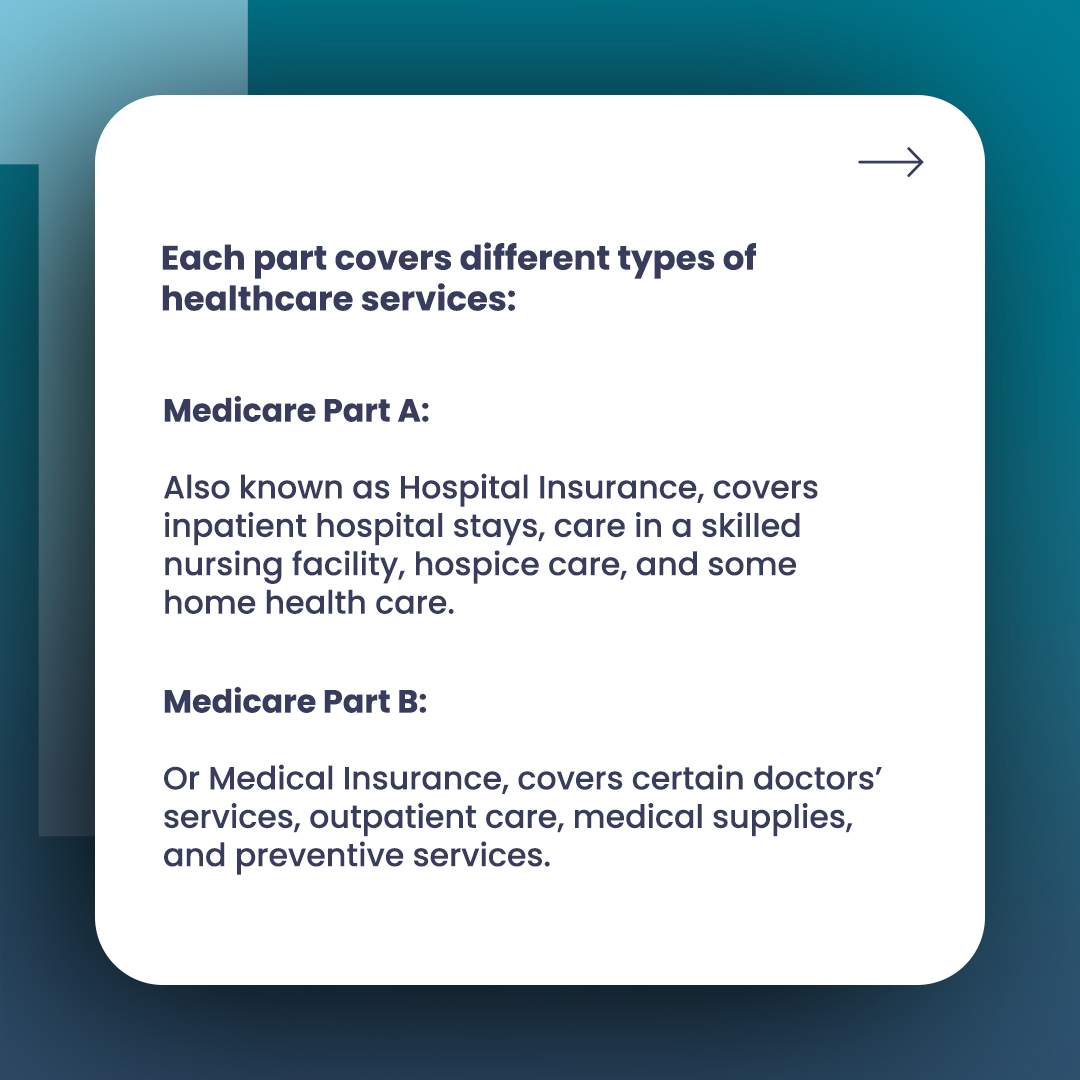
Each part covers different types of healthcare services.
Medicare Part A:
also known as Hospital Insurance, covers inpatient hospital stays, care in a skilled nursing facility, hospice care, and some home health care.
This is often provided premium-free if you or your spouse paid Medicare taxes while working.
Medicare Part B:
or Medical Insurance, covers certain doctors’ services, outpatient care, medical supplies, and preventive services. This includes services like lab tests, surgeries, doctor visits, and home health care.
It also covers some preventive services to maintain your health and to keep certain illnesses from getting worse.
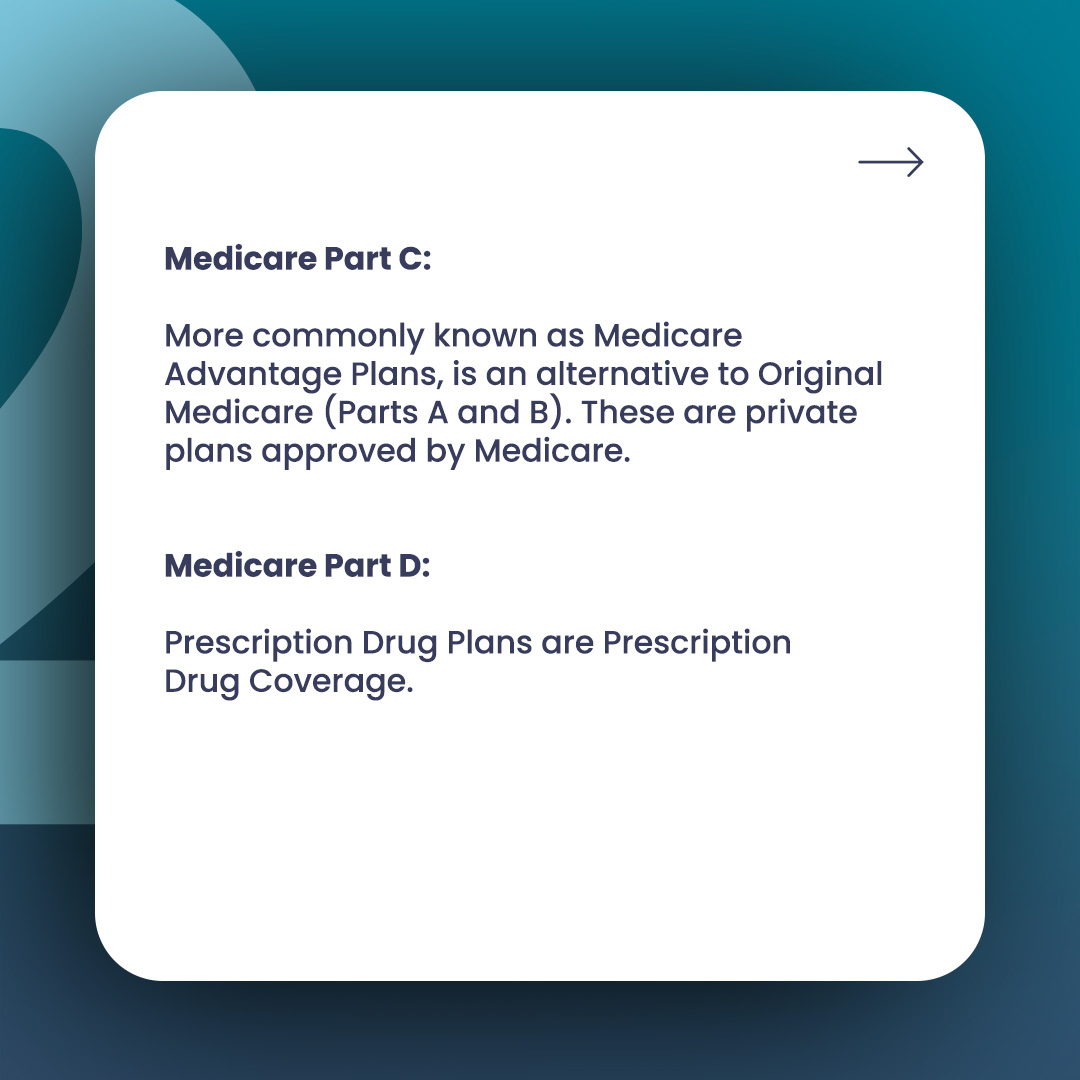
Medicare Part C:
more commonly known as Medicare Advantage Plans, is an alternative to Original Medicare (Parts A and B). These are private plans approved by Medicare.
It may be helpful to speak with a licensed health insurance sales agent to understand the different plans that may be available.
Medicare Part D:
Prescription Drug Plans are Prescription Drug Coverage.
It’s important to note that each part of Medicare has its own terms and conditions, including cost-sharing structures and provider networks.
Always check with your healthcare provider and your Medicare plan to ensure that the services you need are covered.
Medicare Part B (Medical Insurance) does not typically cover medical alert systems. These devices are usually not considered medically necessary by Medicare.
As such, costs related to their purchase or ongoing service fees would generally be an out-of-pocket expense for the patient.

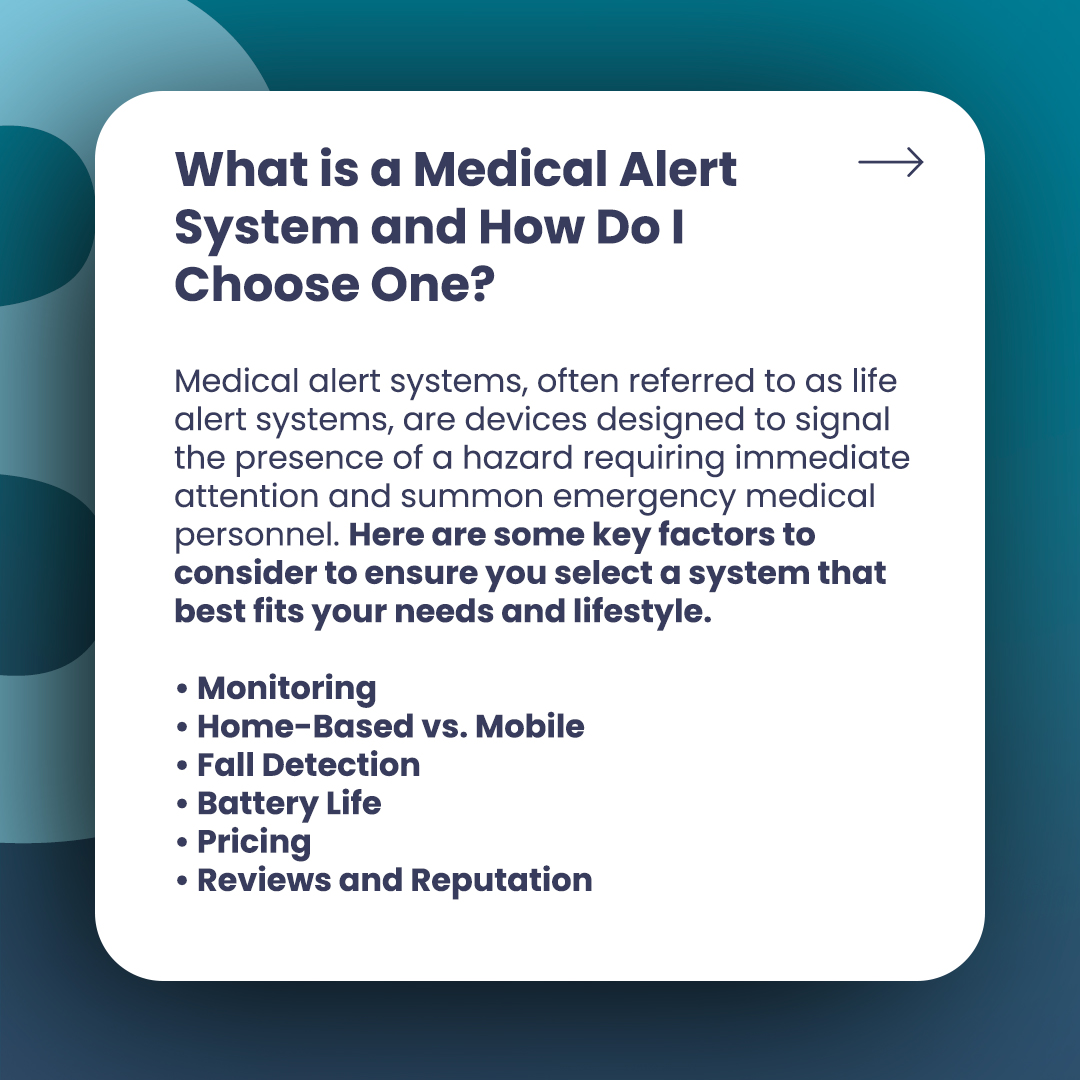
What is a Medical Alert System and How Do I Choose One?
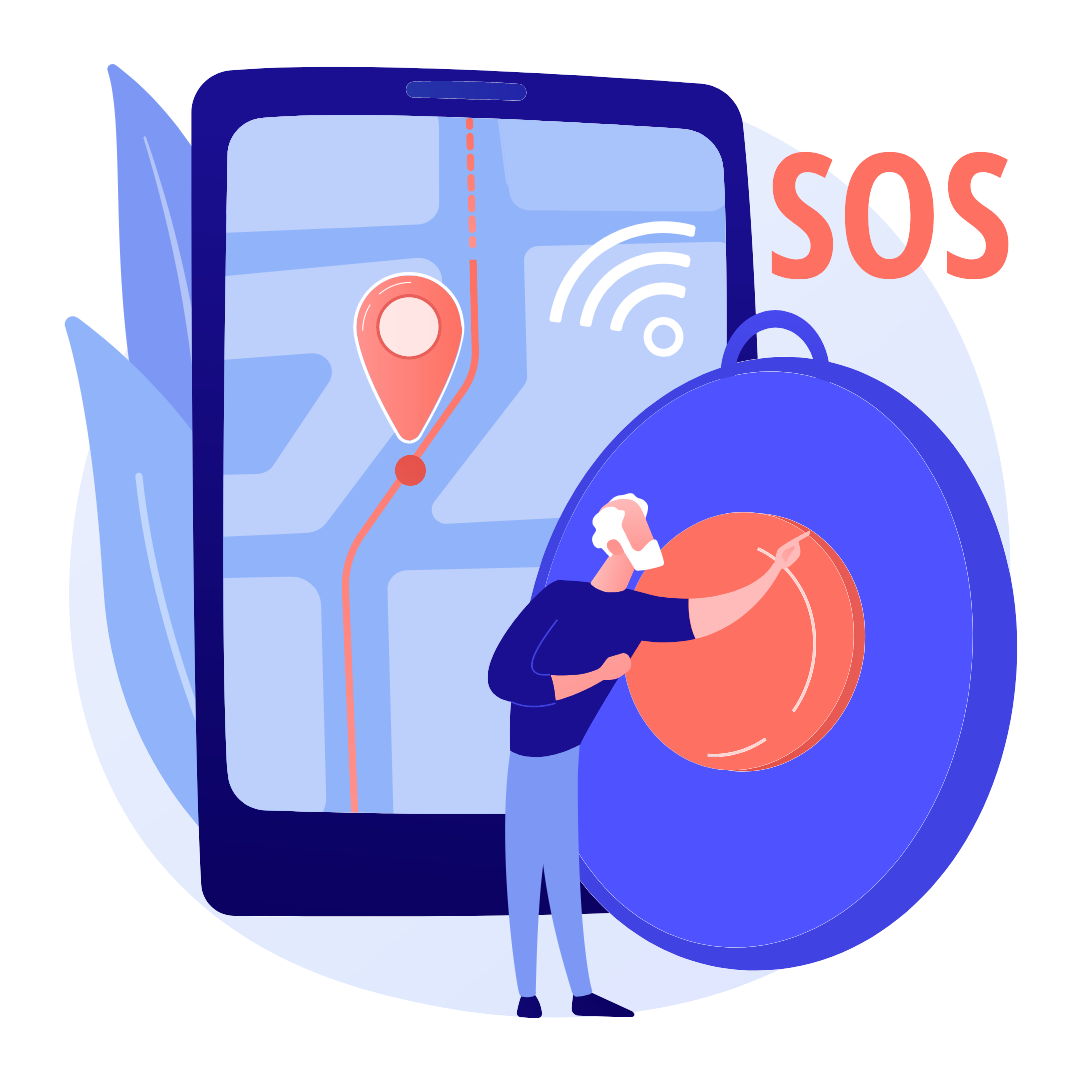
Medical alert systems, often referred to as life alert systems, are devices designed to signal the presence of a hazard requiring immediate attention and summon emergency medical personnel.
They provide an essential layer of security for individuals, particularly older adults who might be living alone, those with serious chronic conditions, or people prone to falls or accidents.
These systems typically consist of a wearable help button that is wirelessly connected to a base unit.
The wearable button can usually be worn as a necklace pendant or wristband, making it easily accessible at all times.
If the wearer experiences a medical emergency, they can press this button to initiate a call for help.
Once the button is pressed, the base unit connects to a monitoring center, where trained operators respond to the call.
These operators can then communicate with the individual through a speaker on the system, assess the situation, and dispatch appropriate help.
This could range from calling a neighbor, friend, or family member to check on the person, up to contacting emergency services if necessary.
Some advanced medical alert systems also come with features like fall detection, GPS tracking, and mobile options that can function away from home.
Fall detection can automatically signal for help when it detects the wearer has taken a fall, while GPS tracking can provide the user’s location to the monitoring center, which is especially useful in situations where the user is unable to speak or doesn’t know their location.
In essence, medical alert systems provide peace of mind for users and their loved ones, knowing that help can be quickly summoned in case of an emergency.
Choosing the right medical alert system can seem challenging given the range of options available.
Here are some key factors to consider to ensure you select a system that best fits your needs and lifestyle.
Monitoring:
One of the first things to consider is whether you want a system that’s monitored or unmonitored.
Monitored systems connect to a professional call center, where operators can respond to emergencies and dispatch help if necessary.
Unmonitored systems, on the other hand, typically dial a pre-set list of contacts when the alert button is pressed.
Home-Based vs. Mobile:
If you or your loved one spends a lot of time away from home, you might want to consider a mobile medical alert system.
These systems work anywhere there’s cell service, while home-based systems only cover a certain radius around the home.
Fall Detection:
Some medical alert systems offer automatic fall detection as an add-on feature.
This can be particularly useful for people at risk of falling, as the device can automatically alert the monitoring center if a fall is detected.
Battery Life:
The battery life of the wearable help button is a crucial factor to consider.
Some buttons need to be charged every day, while others can last several months on a single charge. The longer the battery life, the less you’ll have to worry about keeping the device charged.
Pricing:
Understanding the pricing structure is also important. Some companies require long-term contracts, while others operate on a month-to-month basis.
Be sure to ask about any activation or cancellation fees, and what services are included in the monthly fee.
Reviews and Reputation:
Finally, it’s always a good idea to look at customer reviews and the reputation of the company.
This can give you an idea of the quality of their products and services, and how responsive they are in emergency situations.

Financial Assistance Options
It’s also worth noting that while Medicare may not cover medical alert systems, other programs like Medicaid or state assistance programs might offer some form of assistance or reimbursement for these systems.
Eligibility and coverage can vary by state and individual circumstance.
Medicaid is a joint federal and state program that provides health coverage to people with low income, including some low-income adults, children, pregnant women, elderly adults, and people with disabilities.
Medicaid programs must follow federal guidelines, but they vary somewhat from state to state.
As a general rule, the traditional Medicaid program does not pay for medical alert systems directly. However, in some states, certain Medicaid programs may provide coverage for these systems.
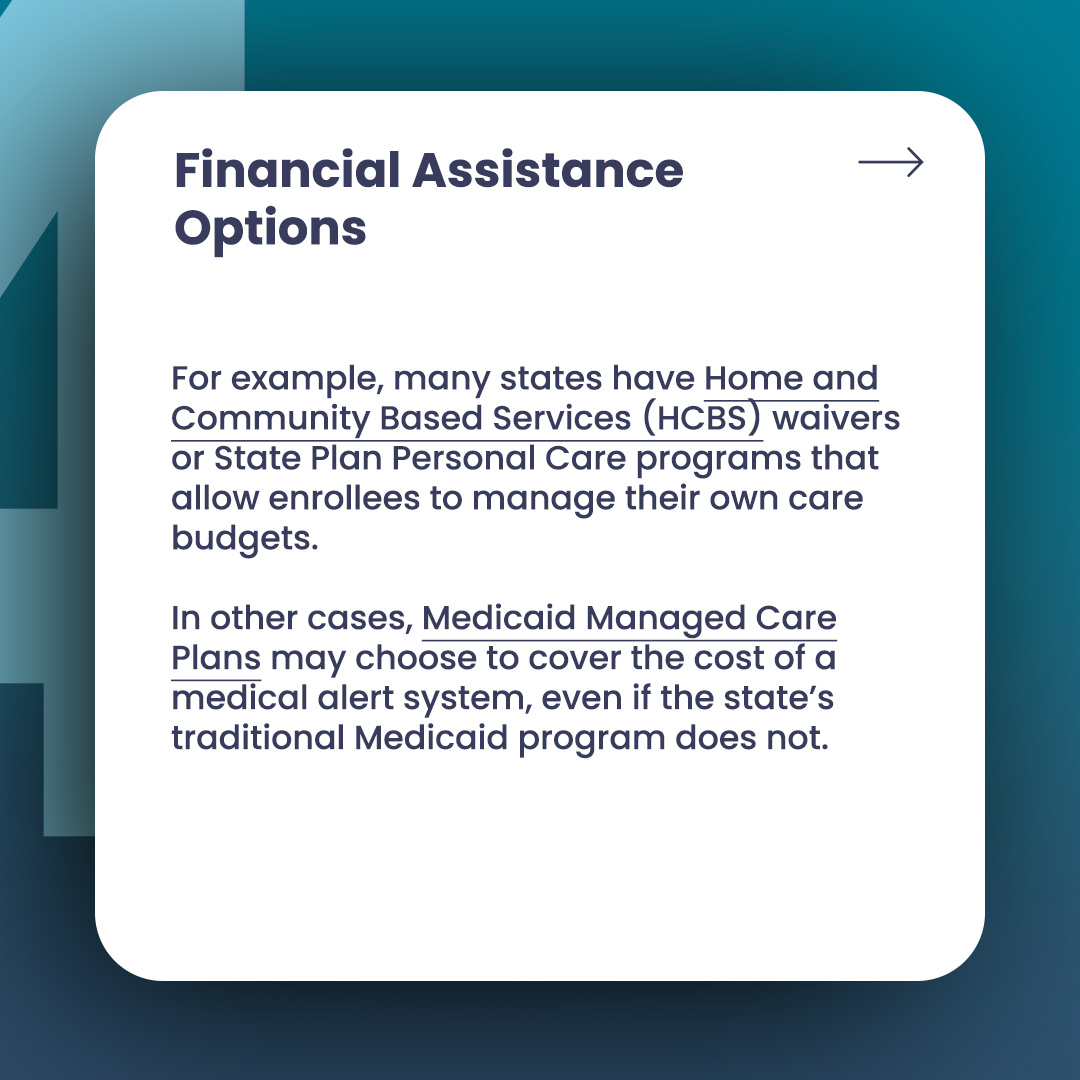
For example, many states have Home and Community Based Services (HCBS) waivers or State Plan Personal Care programs that allow enrollees to manage their own care budgets. Under these programs, if a doctor declares a medical alert system to be medically necessary for an individual, then the cost could potentially be covered.

How are HCBS waivers utilized?
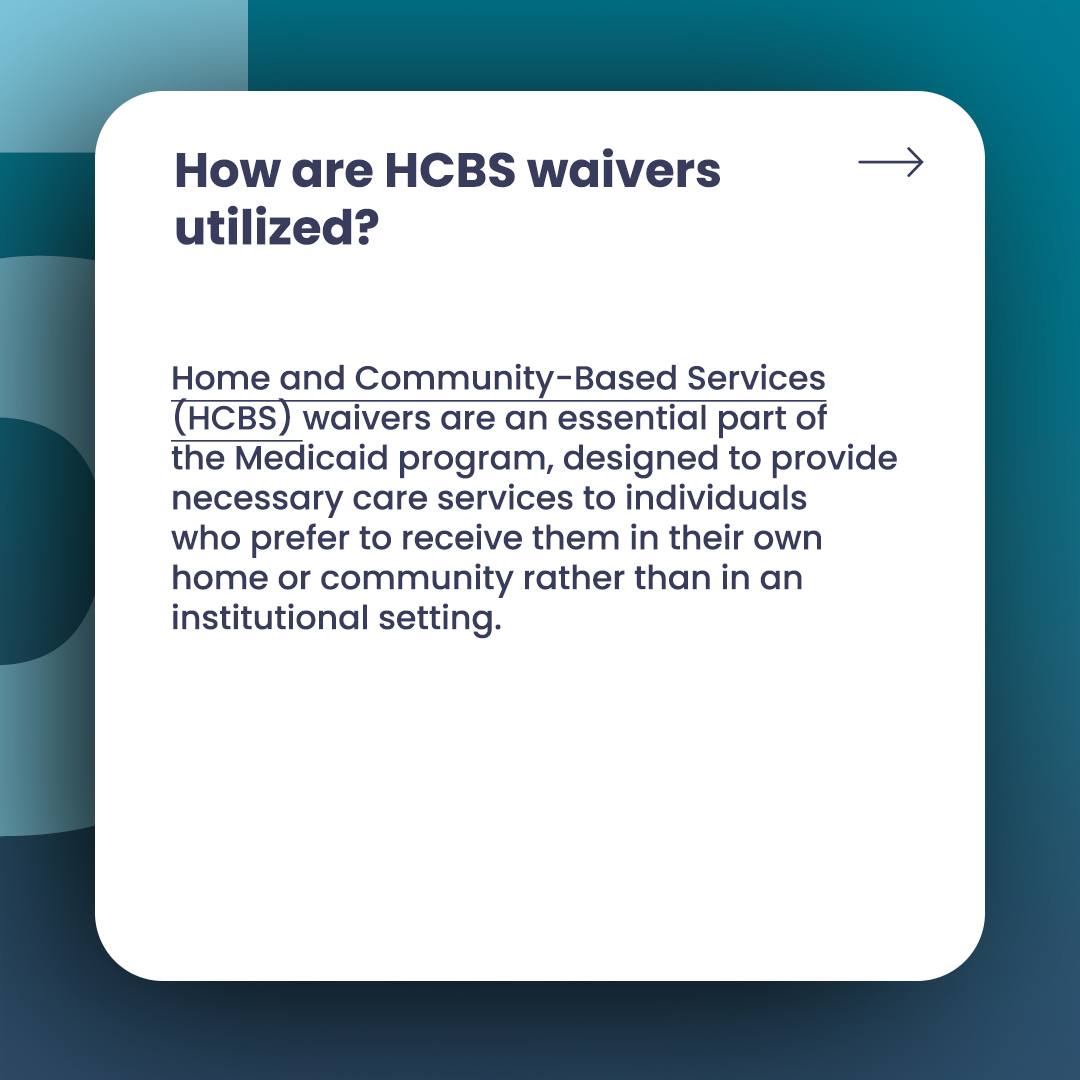
Home and Community-Based Services (HCBS) waivers are an essential part of the Medicaid program, designed to provide necessary care services to individuals who prefer to receive them in their own home or community rather than in an institutional setting.
These waivers, authorized under Section 1915(c) of the Social Security Act, allow states to “waive” certain federal requirements and offer a broad range of medical and support services tailored to individuals’ specific needs.
The primary goal of HCBS waivers is to enable people with various disabilities, illnesses, or age-related conditions to live as independently as possible in their communities.
They cover services such as case management, personal care, adult day health services, habilitation, respite care, and sometimes even home modifications for accessibility.
The utilization of HCBS waivers involves a detailed process.
First, the individual’s need for these services is assessed by a healthcare provider. If the individual meets the criteria, they can apply for an HCBS waiver program through their state’s Medicaid office.
The state then determines whether the individual qualifies based on their medical condition and financial situation.
Once approved, the individual can receive a variety of services, often including those not typically covered by Medicaid, such as non-medical transportation, meal delivery, personal emergency response systems, and more.
These services are intended to improve the quality of life for recipients and help them maintain their independence.
It’s important to note that each state has its own HCBS programs, with different eligibility requirements, services offered, and application processes.
Therefore, individuals interested in these waivers should contact their state’s Medicaid office for specific information.
More Financial Assistance Options
In other cases, Medicaid Managed Care Plans may choose to cover the cost of a medical alert system, even if the state’s traditional Medicaid program does not.
These Managed Care Plans have more flexibility in determining which benefits to offer their members.
Medicaid Managed Care Plans are health plans that contract with state Medicaid programs to provide care for enrollees. These plans often include a network of doctors, hospitals, pharmacies, and other healthcare providers.
The coverage for medical alert systems under a Medicaid Managed Care Plan can vary based on the state and the specific plan.
Some plans may cover these systems as part of their benefit packages, particularly if they are deemed medically necessary by a healthcare provider.
In some cases, these systems might be covered under home health care services or durable medical equipment (DME).
It’s also worth noting that some states may offer programs separate from Medicaid that can help cover the cost of a medical alert system. These programs often aim to help older adults or individuals with disabilities continue living independently in their homes.
Given the complexity and variability of these programs, it’s recommended that individuals contact their state’s Medicaid office or an elder law attorney for guidance.
They can provide information about what’s covered in their specific state and what steps need to be taken to apply for coverage.
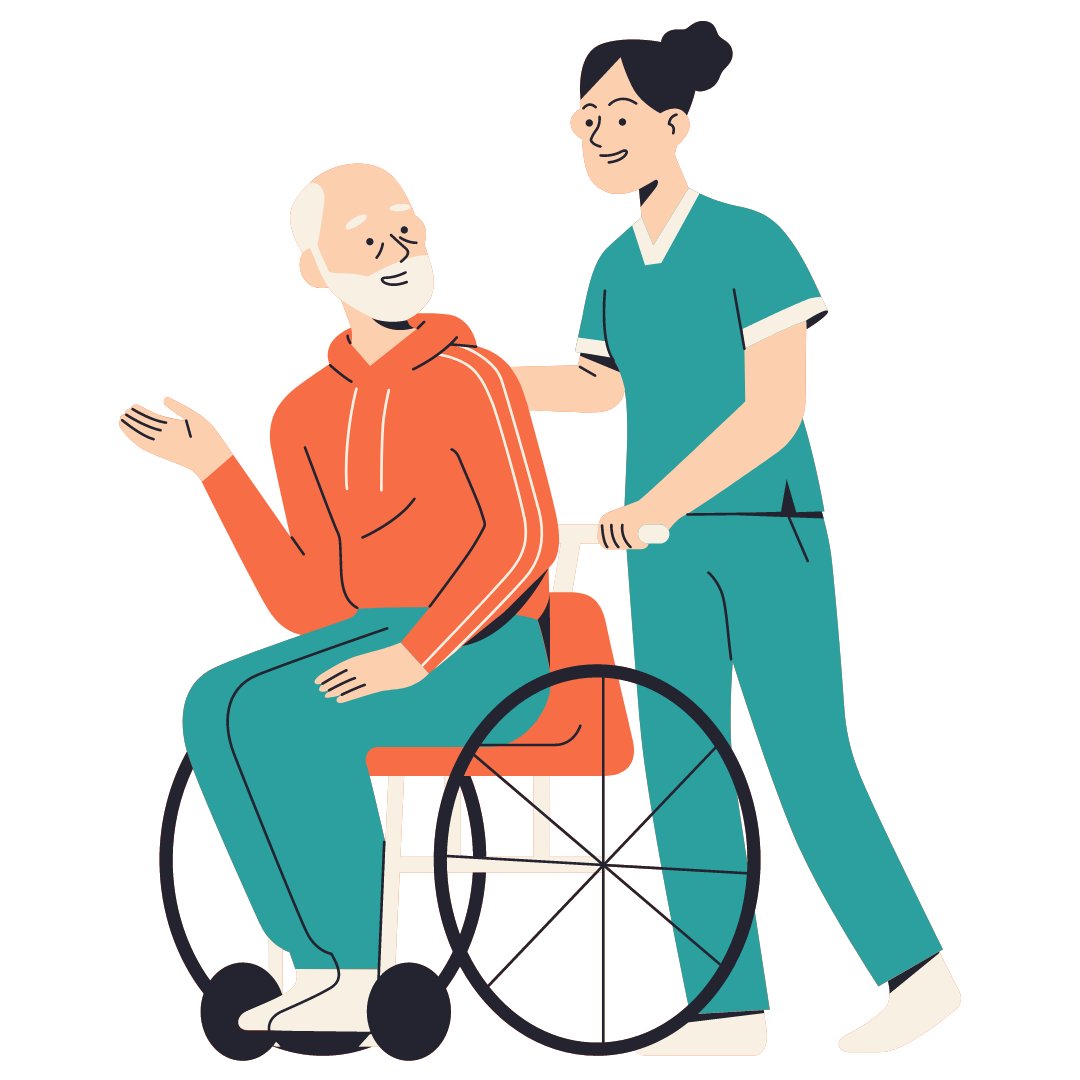
In conclusion, medical alert systems are invaluable tools in the modern healthcare landscape. They provide a lifeline for individuals, particularly seniors and those with certain health conditions, offering immediate assistance in case of emergencies.
They not only ensure safety but also offer peace of mind for users and their families, knowing that help is just a button press away.
However, the cost of these systems can be a hurdle for many…
that’s where government assistance programs come into play.
Medicaid Managed Care Plans and Home and Community-Based Services (HCBS) waivers are two such initiatives that could potentially offset the cost of medical alert systems.
These programs aim to make essential health services more accessible, especially for those with limited resources.
Remember, each state has its own rules regarding these programs, and coverage can vary greatly.
It is vital to check with your specific plan and state Medicaid program to determine if a medical alert system would be covered.
Don’t hesitate to reach out to your local Medicaid office or a healthcare professional for guidance.
Medical alert systems are more than just devices; they’re a means to maintain independence, dignity, and quality of life.
With the financial support available, these systems can become an accessible and integral part of personal healthcare management. The peace of mind and security they provide is truly priceless.
It may be useful to speak with a licensed health insurance sales agent to help understand the coverage options that may be available.
Get your questions answered by calling Apollo Insurance Group at (913) 279-0077 for a free plan comparison with no obligation to enroll. Calling this number will direct you to a licensed sales agent.
Sources:
- “Does Medicare Pay for Medical Alert Systems?” https://www.medicare.gov/coverage/is-your-test-item-or-service-covered
- “Medicaid.” Medicaid.gov.
- “Home & Community-Based Services 1915(c).” Medicaid.gov.
- “Managed Care.” Medicaid.gov.
- “Long Term Services & Supports.” Medicaid.gov.
- “Contact Your State With Questions.” Medicaid.gov.
- “Durable Medical Equipment (DME): Overview.” CMS.gov.
-CALLING THE NUMBER ABOVE WILL DIRECT YOU TO A LICENSED INSURANCE AGENT.
By completing the form above, I understand that a Licensed Insurance Agent from Apollo Insurance Group may contact me via phone, email or mail to discuss Medicare insurance options. Calls may be made by auto dialer, text, or robocall and are for marketing purposes. Cellular carrier charges may apply. Providing permission does not impact eligibility to enroll or the provision of services. You can change permission preferences at any time by contacting (816) 608-4333. We do not offer every plan available in your area. Any information we provide is limited to those plans we do offer in your area. Please contact Medicare.gov or 1-800-MEDICARE to get information on all of your options. Apollo Insurance Group is not affiliated with the federal Medicare program or the government. This is a solicitation for insurance.

I am a professional content writer specializing in the health insurance field. My work primarily focuses on simplifying the complexities of healthcare coverage, aiming to provide clarity and insight into an often confusing subject. Empowering people to make informed decisions about their well-being is my passion. At Apollo Health Insurance, we share that commitment. Apollo Health Insurance stands at the forefront of securing the best healthcare coverage for individuals, ensuring affordability without compromising on quality.

0 Comments