 816-400-4477



Do you own a small business and are looking for the best health insurance plan options available?
Getting quality coverage isn’t always easy, but navigating through all the details necessary to find the right policy doesn’t have to be stressful.
In this blog post, we will provide an in-depth look at what small businesses should consider when shopping around for their health insurance plans and highlight some of the key benefits they might receive by making such a valuable investment.
We understand that taking advantage of employer sponsored health benefits is essential for business owners – both on a personal level as well as providing these important services to employees – which is why we want to make sure you get every detail and consideration correct from start to finish.
Contact Us For Fast & Easy Health Quotes

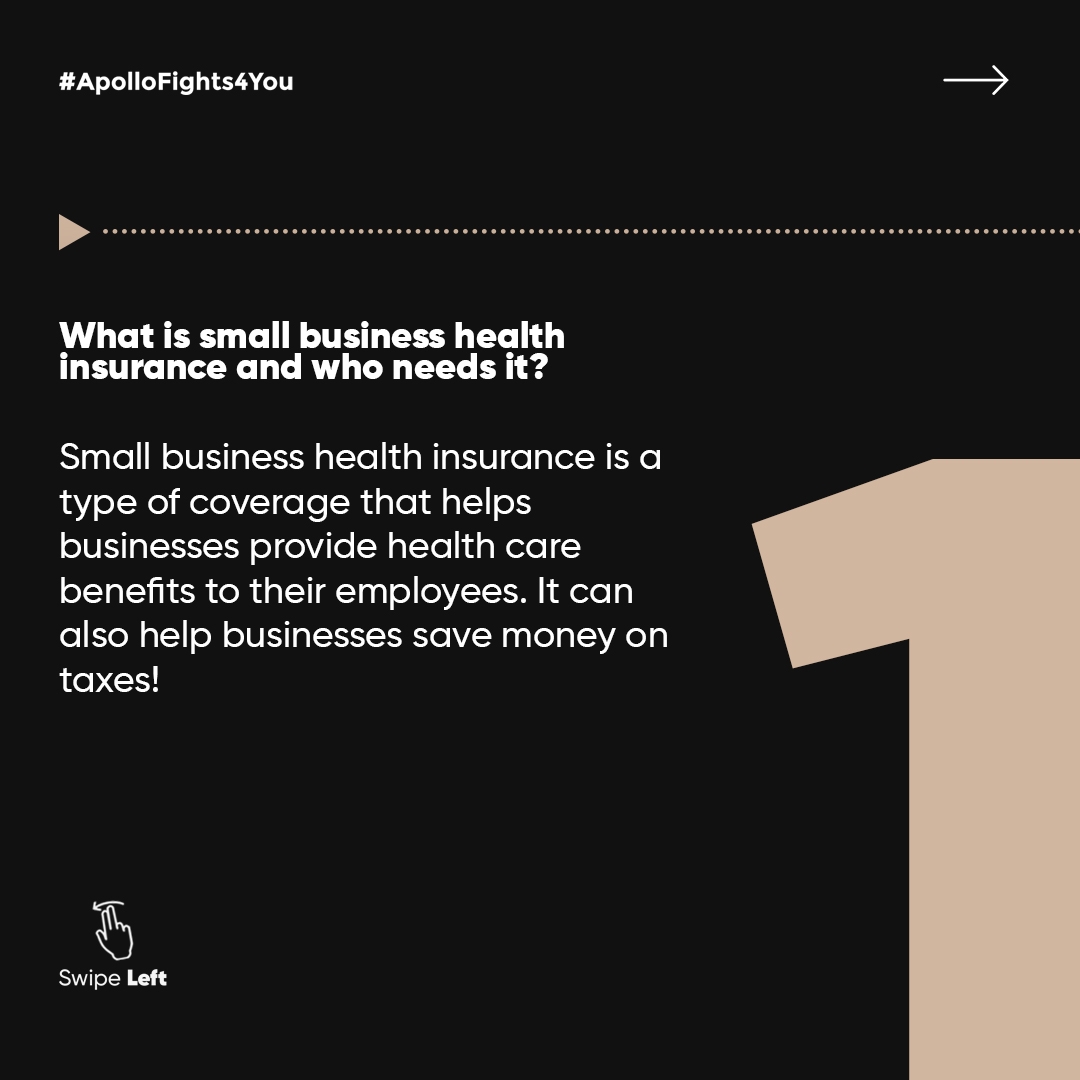
What is small business health insurance and who needs it?
If you’re a small business owner, you may be wondering what small business health insurance is and why you need it.
In short, small business health insurance is a type of coverage that helps businesses provide health care benefits to their employees. It can also help businesses save money on taxes!
Let’s explore the details of this important coverage option.
What Does Small Business Health Insurance Cover?
Small business health insurance typically covers medical expenses for both the employer and the employee, such as doctor visits, surgeries, hospital stays, prescription drugs, and more. Depending on the plan you select for your business, coverage may include vision and dental care as well.
Who Needs Small Business Health Insurance?
All businesses with two or more employees should consider obtaining small business health insurance. This type of coverage helps employers provide benefits to their staff while saving money on taxes at the same time. It’s especially important if your employees have families; providing them with access to quality healthcare can make them feel valued and secure in their positions at your company.
In addition to providing medical coverage for your staff, many small business health insurance plans also offer additional benefits like life insurance and disability protection — which can help protect both your employees and your bottom line in unexpected circumstances.
Small business health insurance is an invaluable resource for any company that employs two or more people—not only does it give your staff access to quality healthcare but it also provides financial protection for both you and them in case of unexpected events. By selecting an appropriate plan for your business needs, you can ensure that everyone in your organization has access to the care they need while saving money on taxes as well!
Take some time today to research what options are available so that you can make an educated decision about how best to protect yourself, your team, and your company’s future success.

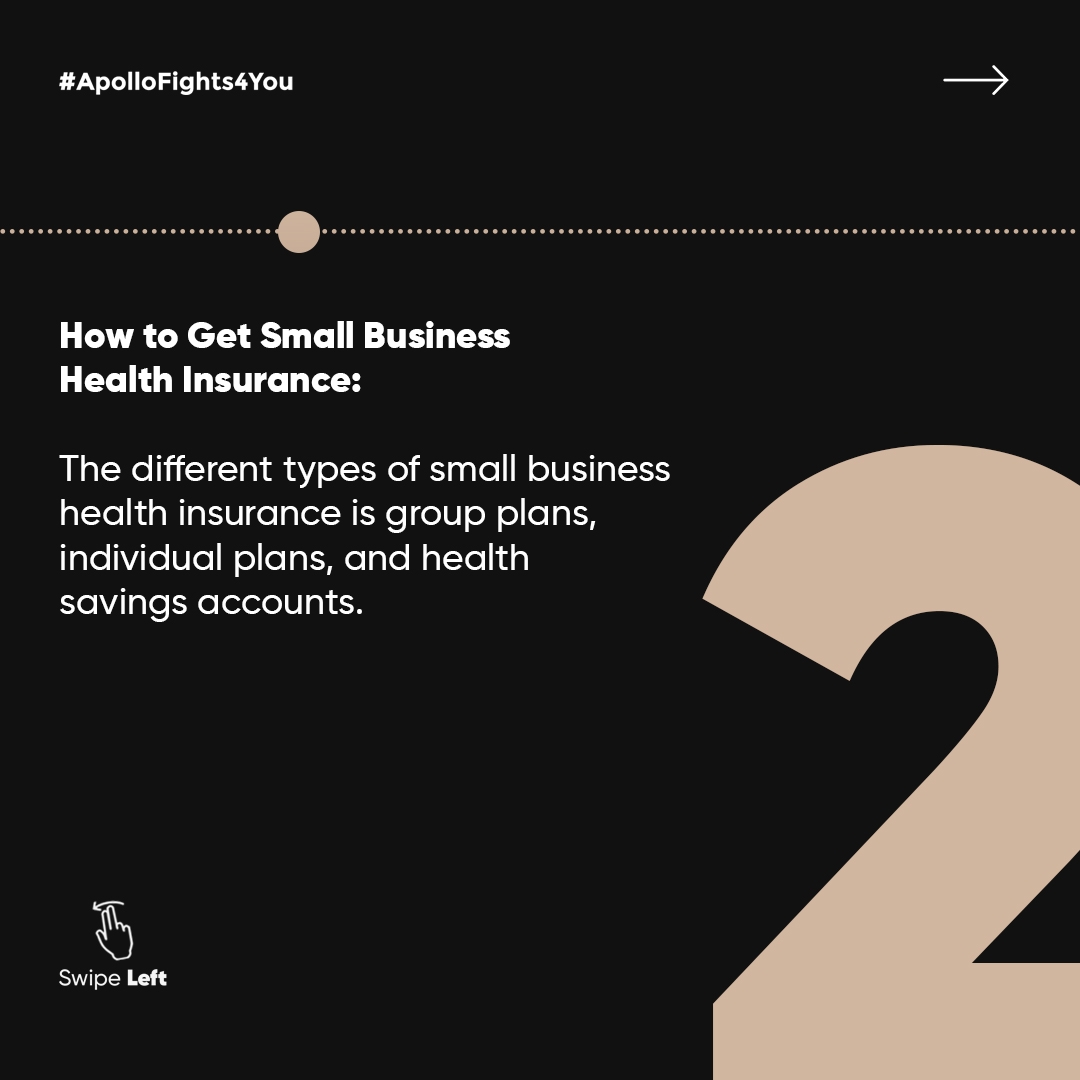
How to Get Small Business Health Insurance
As a small business owner, you know that having health insurance for yourself and your employees is essential. Not only does it provide peace of mind for you and your staff, but it also helps to ensure that their medical needs are taken care of in the event of an illness or injury.
But how do you go about getting health insurance for your small business?
Let’s take a look at the options available.
Group Health Insurance Plans
One of the most popular ways to get health insurance is through a group plan. Group plans are typically offered by employers with more than two and up to fifty-one employees. Group plans are attractive because they often have lower premiums than individual plans, as well as broader coverage options. Additionally, many group plans offer perks such as vision and dental coverage, which may not be available through individual policies.
Individual Health Insurance Plans
If you don’t have enough employees to qualify for a group plan, an individual health insurance plan may be the right choice for you. An individual plan can be used to cover yourself or any other individuals who are not eligible for group coverage. Individual plans usually require applicants to answer questions about their medical history and may even involve physical exams before coverage is approved. However, individual policies can offer many of the same benefits as group plans, including vision and dental coverage.
Health Savings Accounts (HSAs)
If you want more control over how much money you spend on healthcare costs, a Health Savings Account (HSA) could be just what you need. HSAs are tax-advantaged savings accounts that allow users to set aside pre-tax money for qualified medical expenses such as doctor’s visits, prescription medicines, and even some over-the-counter medications. In addition to helping keep healthcare costs low, HSAs also allow users to save money on taxes by deducting contributions from their taxable income each year.
No matter what type of small business health insurance plan is best suited for your needs, there are plenty of options out there to choose from! Be sure to shop around and compare different companies’ rates and coverage levels before making your decision so that you can get the most bang for your buck!
With the right plan in place, you’ll have peace of mind knowing that both yourself and your employees will have access to quality healthcare when needed!

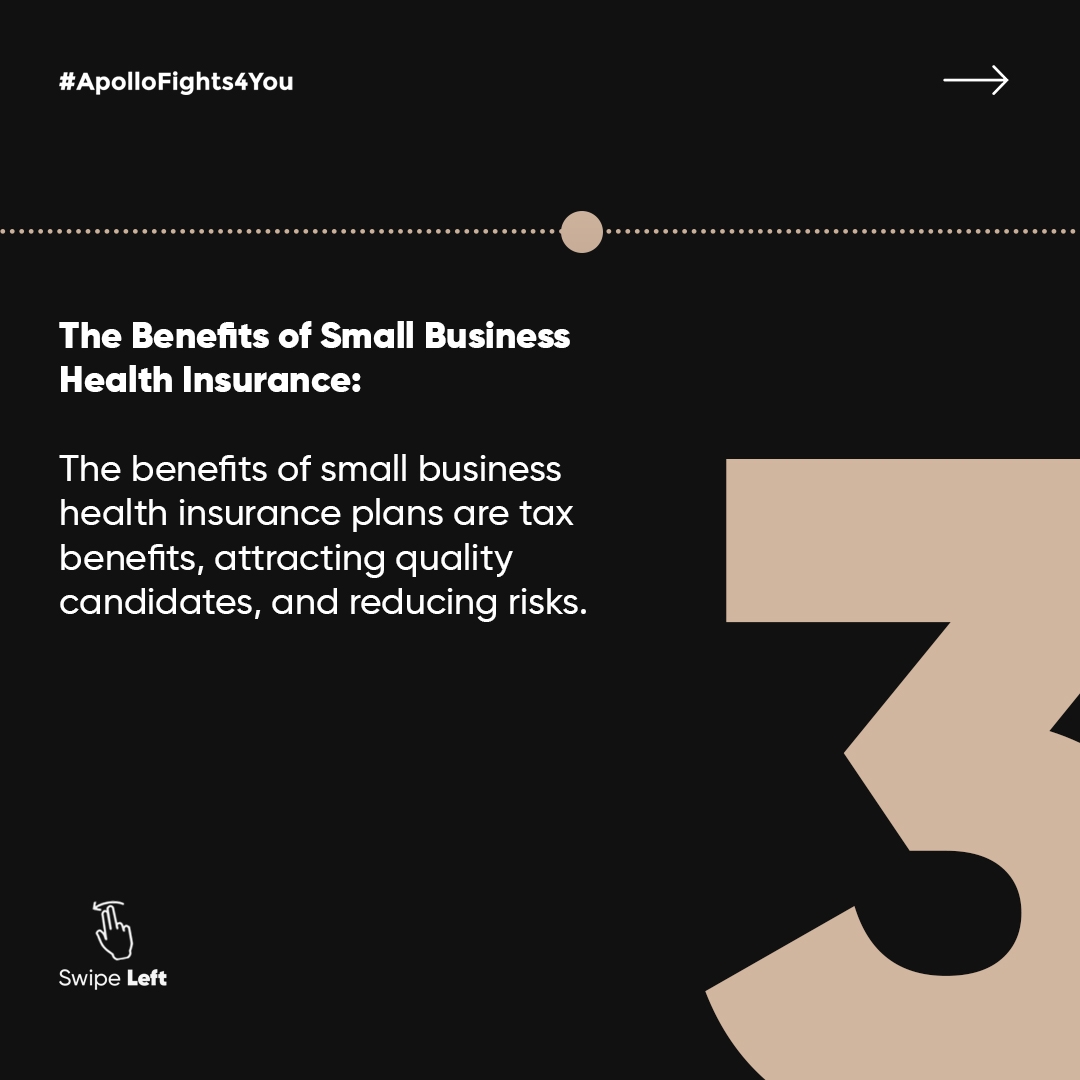
The Benefits of Small Business Health Insurance
As a small business owner, you are likely already aware of the importance of offering health insurance to your employees. Not only does providing health insurance demonstrate that you care about the wellbeing of your staff, but it also helps ensure that your team remains healthy and productive.
But did you know that there are other benefits to offering comprehensive health insurance plans?
Let’s take a look at some of these benefits in more detail.
Tax Benefits
Health coverage is often associated with significant tax breaks for employers. For example, small businesses can potentially receive a tax credit when they offer their employees medical coverage. This credit can be applied to both state and federal taxes and is designed to help offset the cost of premiums. Additionally, if you opt to provide dental and vision coverage, those premiums may also be deductible from taxable income or wages.
Attracting Quality Employees
One of the most difficult tasks faced by any small business is recruiting talented people—and one way to do this is by offering quality health insurance plans. A good health plan can help attract top talent and make sure that your best workers stay with your company for longer periods of time. Having quality health insurance available also demonstrates to potential employees that you value their wellbeing and are willing to invest in their future—a sign of true commitment from any employer.
Reducing Risks
Having comprehensive healthcare plans in place can help reduce risks associated with workplace injuries or illnesses as well as chronic conditions suffered by employees. By having an adequate plan in place, employers can protect themselves against costly lawsuits resulting from medical expenses related to on-the-job injuries or illnesses. Furthermore, having quality healthcare plans means that less money will have to be spent on sick days taken due to employee illness or injury since these issues can be addressed quickly and effectively through proper medical attention made possible by the plan’s coverage options.
Overall, investing in a thorough health care plan for your small business has numerous advantages beyond just improving employee morale and satisfaction—it can also provide long-term financial security for both employer and employee alike. From tax savings to protecting against legal action due to on-the-job accidents or illnesses, investing in comprehensive healthcare coverage for yourself and your employees is one of the best decisions you could make as a small business owner!

How to Choose the Right Plan for your Business
When you’re running a business, one of the most important decisions you’ll make is choosing the right plan. This can be a tricky process, as there are a variety of plans available and each offers different features and benefits.
But don’t worry – with the right research and advice, you can make an informed decision that will benefit your business in the long run.
Let’s take a look at how to choose the right plan for your business.
Research Your Options
The first step to finding the perfect plan for your business is researching your options. There are many different kinds of plans available, so it’s important to understand what each kind offers and how it could benefit your company. Take some time to read reviews from other customers who have used a particular plan and talk to industry professionals about their experiences with various plans. This will help you narrow down your choices and make an informed decision on which plan is best for your business.
Understand Your Needs
Before making any decisions, it’s important to understand what kind of features and services your business needs. Write down all of the features that are essential for you so that you can compare them across different plans.
Also consider any extra features you might need in order to get the most out of each service—this could include data storage capacity or access to additional software or applications. Once you have a clear idea of what type of plan would work best for your business, you can start shopping around for one that meets all of your needs.
Examine Costs & Fees
Costs and fees should also factor into your decision-making process when choosing a plan for your business. Many plans come with upfront setup fees or recurring monthly charges, so be sure to read through all of the fine print before signing up for anything. Calculate how much these costs add up over time; this will help you determine if it’s worth investing in a more expensive plan with more features or if it makes more sense financially to opt for a cheaper option with fewer bells and whistles.
Choosing the right plan for your business doesn’t have to be overwhelming – with research and understanding, it can be an easy process!
With this guide in hand, we hope that you now feel confident in selecting the perfect plan based on what features are needed by your company as well as its budget constraints. Ultimately, taking time to carefully evaluate all options available will lead you towards finding just what fits best both financially and functionally within your organization’s needs! Good luck!

How to Enroll in a Small Business Health Insurance Plan
One of the most important decisions you will make as a small business owner is enrolling in a health insurance plan. It is essential to ensure that your employees have access to quality medical care.
Here, we’ll provide an overview of the process for enrolling in a small business health insurance plan.
Determining Eligibility and Requirements
The first step in enrolling in a small business health insurance plan is determining eligibility and requirements. To qualify, your business must match certain criteria set by the Affordable Care Act (ACA). Your company must have fewer than 50 full-time equivalent (FTE) employees and must not be part of a larger affiliated group with more than 50 FTEs. Additionally, you must offer all eligible employees the same level of coverage and pay at least 50 percent of their premiums.
Selection Process
Once you’ve determined that you are eligible for a small business health insurance plan, you can begin selecting one. When selecting your plan, start by considering what type of coverage your employees need and how much you can afford to pay each month for premiums. There are different types of plans available—such as HMOs, PPOs, HSAs, and HRAs—so it is important to determine which type best meets your needs. You should also consider whether any special services or benefits are included before making a decision.
Enrollment Process
Once you’ve found the right plan for your business, it’s time to start the enrollment process. You will need to gather information about yourself and each employee who will be enrolled in the plan—such as name, address, date of birth, Social Security number (SSN), tax filing status, contact information—and submit it to the insurer or broker who is providing the coverage. The insurer or broker will then contact each employee with additional information regarding their coverage options and premium payments. After they have been enrolled in the plan, they will receive confirmation paperwork via mail or email confirming their coverage dates and details about their new healthcare policy.
In summary, enrolling in a small business health insurance policy requires some research upfront but can ultimately save money for both employers and staff members alike. Determining eligibility requirements is an important first step followed by selecting an appropriate policy for your employees’ needs and completing the required paperwork for enrollment. With these steps completed successfully, employers can rest assured that their staff members are well cared for with quality health insurance coverage provided by their employer’s chosen provider!

You now have a better understanding of what small business health insurance is and who needs it. Getting coverage for your employees is important to attract and retain the best talent. There are many ways to get small business health insurance, but working with an agent or broker can help you find the right plan for your company. They can also assist with enrolling your employees in the coverage.
If you do not currently have health insurance for your small business, call Apollo Insurance Group today.
One of our knowledgeable agents would be happy to answer any questions that you may have and help you get started on finding the perfect plan for your business!

I am a professional content writer specializing in the health insurance field. My work primarily focuses on simplifying the complexities of healthcare coverage, aiming to provide clarity and insight into an often confusing subject. Empowering people to make informed decisions about their well-being is my passion. At Apollo Health Insurance, we share that commitment. Apollo Health Insurance stands at the forefront of securing the best healthcare coverage for individuals, ensuring affordability without compromising on quality.