
 816-400-4477
Dental bonding can repair or reshape a tooth in a single visit. Here's exactly when insurance actually helps pay for it.
The short version
Whether dental insurance covers bonding depends almost entirely on why you're getting it done. When bonding repairs genuine structural damage, like a chipped or cracked tooth from an injury, it's often treated as restorative and may receive at least partial coverage. When bonding is used purely for aesthetic reasons, like closing a gap or reshaping a tooth for appearance alone, most plans exclude it entirely as cosmetic. Bonding typically costs $300 to $600 per tooth and can last anywhere from 3 to 10 years with proper care.
Sources: standard dental insurance restorative-vs-cosmetic classification; ADA bonding guidance.
Dental bonding, also known as teeth bonding, is a cosmetic procedure that uses composite resin material to enhance the appearance of natural teeth. This procedure involves applying a tooth-colored composite resin to the front surface of teeth to address imperfections. The dental bonding cost depends on factors such as the dentist's location, the number of teeth being treated, and the complexity of the procedure. Insurance coverage for dental bonding may vary, depending on whether it is classified as a cosmetic or restorative treatment.
Understanding the dental bonding procedure
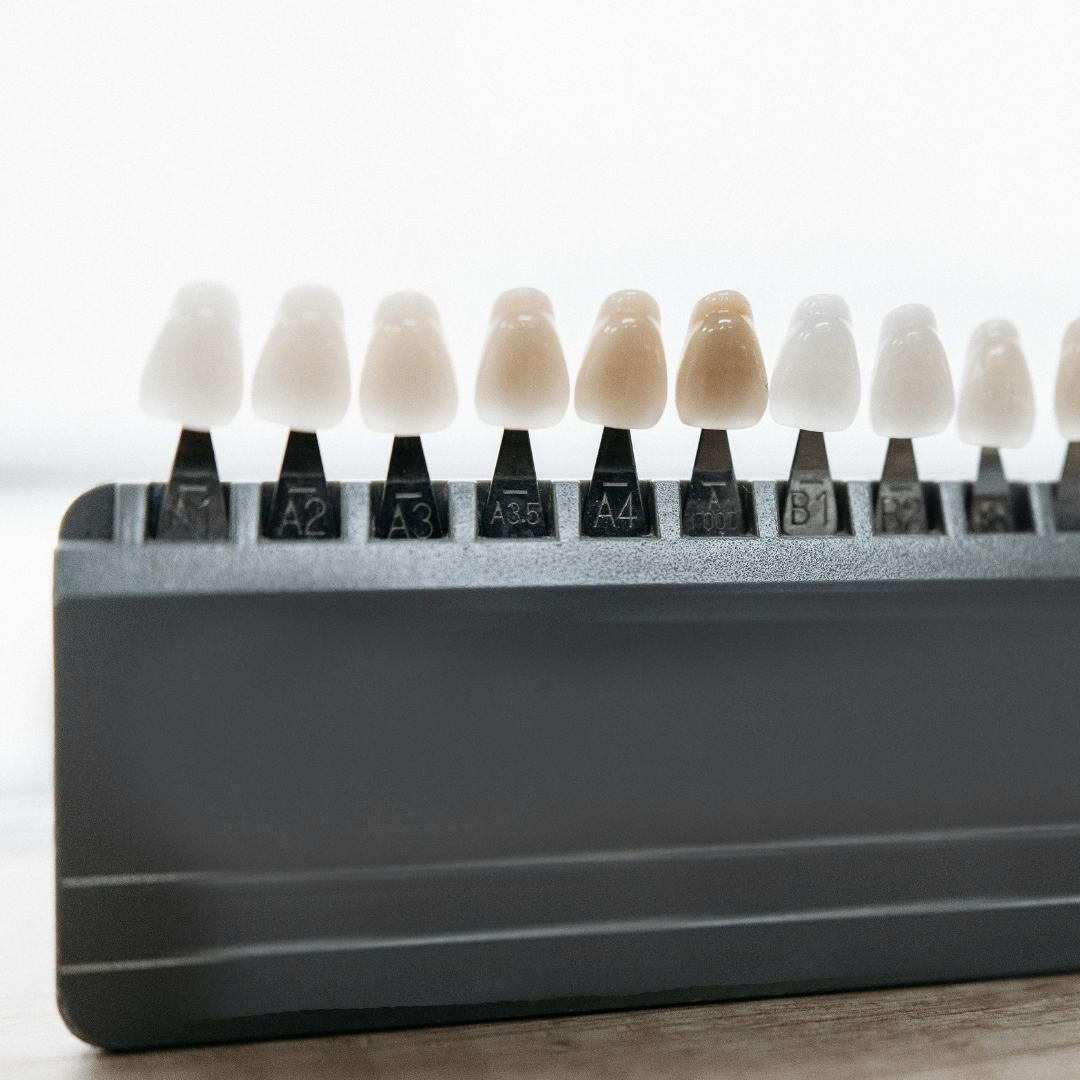
First, let's talk about the dental bonding procedure. It is a straightforward and effective way to improve the appearance of your teeth. It typically begins with the dentist preparing the tooth by cleaning it thoroughly and roughening its surface to ensure proper adhesion. Next, a conditioning liquid is applied to help the bonding material stick securely to the tooth. The dentist then carefully applies the composite resin material, which is color-matched to blend seamlessly with your natural teeth.
Using their expertise, the dentist shapes and molds the resin to achieve the desired look, whether it's filling a gap, repairing a chip, or enhancing the tooth's size or shape. Once the resin is perfectly positioned, a special curing light is used to harden and solidify the material within seconds.

How the dental bonding process works
This process begins with a thorough consultation with a professional dentist to determine if teeth bonding is the most suitable treatment for your needs. During this consultation, the dentist will carefully examine your teeth, discuss your goals, and evaluate your overall oral health. They will also explain the differences between treatment options, such as composite bonding or porcelain veneers, and help you decide on the best course of action.
Once the treatment is decided, the procedure itself is relatively quick, typically completed in a single visit. It involves the application of a tooth-colored resin that is skillfully shaped and polished to match the natural appearance of your teeth. The process is painless, often requiring little to no anesthesia, and patients can resume normal activities almost immediately after the procedure, as it requires minimal recovery time.

What are the benefits of composite bonding?
Composite bonding offers numerous benefits, making it an increasingly popular choice for those looking to enhance their smiles. This procedure delivers natural-looking results, ensuring a beautiful and subtle finish. It is also highly cost-effective compared to other cosmetic dental treatments, making it accessible to a wider range of patients. One of its key advantages is that it requires minimal tooth preparation, preserving the integrity of your natural teeth.
Composite bonding is a versatile solution for addressing a variety of dental imperfections. It can correct tooth discoloration, fill gaps between teeth, and improve the appearance of misaligned or crooked teeth. Additionally, it is often used to repair chips or cracks, restoring both the function and appearance of damaged teeth.

What is dental insurance? Dental insurance is a type of health coverage specifically designed to help you manage the cost of dental care. It typically covers a portion of expenses related to preventive services like regular check-ups, cleanings, and X-rays, as well as more extensive procedures such as fillings, crowns, or root canals. Most dental insurance plans operate on a monthly premium system, with varying deductibles, co-pays, and annual limits. By alleviating your financial burden of dental treatments, insurance makes preventative care more affordable and ensures that unexpected dental issues can be addressed without overwhelming costs. Understanding the specific terms of a policy is crucial, as coverage may vary depending on the provider and plan.
Dental insurance and bonding
Dental insurance coverage for dental bonding can vary widely depending on the insurance company and the specific policy you hold. In some cases, your insurance plan may cover teeth bonding if it is deemed medically necessary, such as when it is used to repair a chipped tooth or address structural damage that impacts oral health. However, other policies may not provide any coverage for this procedure.
It's always a good idea to check with your insurance provider to confirm whether teeth bonding is included in your coverage. Be sure to ask about the specifics, such as whether the procedure will be considered restorative or cosmetic. While many insurance plans do cover restorative treatments aimed at improving function or health, teeth bonding for improving appearance (such as closing gaps or reshaping teeth) are often excluded.
What is the cost of dental bonding?
The cost of dental bonding can vary significantly depending on several factors, such as the dentist's level of experience, the location of the dental office, and the complexity of the procedure required. On average, you can expect teeth bonding costs to range from $300 to $600 per tooth. However, in some cases, such as repairing larger chips or gaps, costs may be higher. Additionally, while dental bonding is typically considered a cosmetic procedure and may not be covered by insurance, it's always worth checking with your provider to see if some costs are reimbursable. You should have an open discussion with your dentist about the procedure, its benefits, and associated costs to determine the best course of action that fits both your dental needs and your budget.
Factors affecting dental bonding costs
The cost of teeth bonding can vary based on numerous factors, such as the number of teeth being treated, the complexity of the procedure, and where your dentist is located. For instance, dental practices in urban areas or regions with a higher cost of living may charge more than those in smaller towns or rural areas. Additionally, the type and quality of the material used can influence the overall cost, with higher-grade materials often being more expensive but offering better durability and aesthetics.
In some cases, your dentist may recommend additional procedures, such as teeth whitening to keep uniformity in color or dental crowns to strengthen weakened teeth, which can further add to the total expense.

The bonding procedure and insurance
The bonding procedure typically involves applying a tooth-colored composite resin to the surface of the tooth to repair damage, improve its appearance, or close gaps between teeth. This treatment is commonly used to fix chips, cracks, discoloration, or uneven tooth shapes, as well as to protect exposed roots caused by receding gums. The procedure is minimally invasive and typically painless, making it a popular choice for patients looking for quick aesthetic improvements.
Bonding is usually completed in a single visit, with the process involving a light etching of the tooth surface to help the resin adhere, followed by shaping and curing the material with a special light. The cost of the procedure can vary based on the complexity of the treatment and the amount of material required.
Insurance coverage for dental bonding depends on whether the procedure is deemed medically necessary (such as repairing a broken tooth) or is purely cosmetic, in which case it may not be covered. It's important to discuss the process, associated costs, and insurance coverage options with your dentist to determine the most appropriate course of action for your needs. Regular care and maintenance, such as brushing and avoiding habits like biting hard objects, can help ensure the longevity of the bonding.
Cover bonding with financing options
Dentists understand that cost can be a concern for patients seeking dental bonding, so they offer financing options or payment plans to make the procedure more affordable. These options often include credit approval, monthly payment plans, or other flexible financing arrangements designed to fit a variety of budgets.
It's important to discuss these choices with your dentist and an insurance provider to find the best solution that works for your financial situation. By taking advantage of financing or payment plans, many patients are able to make the dental bonding procedure more accessible, allowing them to improve their smile and boost their confidence without the stress of upfront costs.
Long-term outcomes for bonded treatments
The long-term outcomes of bonded treatments depend on several key factors, including oral hygiene, the quality of the composite resin material used, and the skill and experience of the dentist performing the procedure. Bonded teeth, when properly cared for, can last for many years, as the material is specifically designed to be durable and withstand the daily forces of chewing and biting. However, the lifespan of the bonding can also be influenced by lifestyle habits, such as avoiding hard or sticky foods that may cause chipping or wear.
To ensure the longevity of bonded teeth, maintaining excellent oral hygiene is essential. This includes brushing twice a day with a fluoride toothpaste, flossing regularly, and using mouthwash if recommended by your dentist. Additionally, attending regular dental check-ups allows your dentist to monitor the condition of the bonding and address any issues early on.
A quick checklist before getting dental bonding
- Ask your dentist directly whether your specific situation has a plausible medical-necessity argument (structural repair) rather than assuming it's purely cosmetic.
- Request a written cost estimate per tooth before committing, since costs can add up quickly across multiple teeth.
- Check with your insurance broker specifically about whether restorative versus cosmetic bonding is treated differently under your plan.
- Ask about financing or payment plan options if insurance coverage is limited or unavailable.
- Discuss realistic maintenance expectations with your dentist, since oral hygiene habits directly affect how long bonding lasts.
- If you're comparing coverage across your broader family health insurance, ask a licensed advisor whether bundling dental benefits differently could help with future costs.
For general, non-commercial information on dental bonding, the American Dental Association (ADA) publishes consumer guidance on bonding and other cosmetic dental procedures, and the American Academy of Cosmetic Dentistry (AACD) publishes information comparing bonding to other cosmetic treatment options.
Frequently asked questions about dental bonding and insurance
Have a question that isn't answered below? Our full health insurance FAQ page covers more, and our blog has deeper guides on specific coverage topics.
What is dental bonding?
How long does dental bonding last?
Is dental bonding painful?
Is the bonding material noticeable?
Is dental bonding ever covered by insurance?
Does it cost more to work with a broker to understand my dental coverage for bonding?
Need help understanding your dental bonding coverage? We're here to help. At no cost.
An Apollo agent can review your specific dental plan's coverage for restorative versus cosmetic procedures, so you know what to expect before committing to treatment.
Explore dental insurance, crown coverage, or learn more about our licensed advisors.
Disclaimer: This guide is general educational information about dental bonding and insurance coverage and is not insurance or medical advice. Coverage details, costs, and exclusions vary significantly by plan and provider. Verify current details with your specific insurance provider, your dentist, or a licensed Apollo Health Insurance agent before beginning treatment. Apollo Health Insurance is a licensed insurance brokerage; we are not affiliated with the federal government or any state agency.

I am a professional content writer specializing in the health insurance field. My work primarily focuses on simplifying the complexities of healthcare coverage, aiming to provide clarity and insight into an often confusing subject. Empowering people to make informed decisions about their well-being is my passion. At Apollo Health Insurance, we share that commitment. Apollo Health Insurance stands at the forefront of securing the best healthcare coverage for individuals, ensuring affordability without compromising on quality.