
 816-400-4477
How Medicare Beneficiaries Can Get Insurance Coverage for Hearing Aids: An Extensive Guide
Hearing loss is a widespread health issue, particularly among older adults. It can significantly impact one’s quality of life, complicating communication and potentially leading to feelings of isolation or depression.
Despite the importance of addressing hearing loss, many people are surprised to discover that Original Medicare does not cover hearing aids, which are often quite costly.
This presents a significant challenge for Medicare beneficiaries who require these devices to improve their quality of life. However, several avenues exist to obtain insurance coverage for hearing aids.
Need Expert Help From A Licensed Medicare Agent?
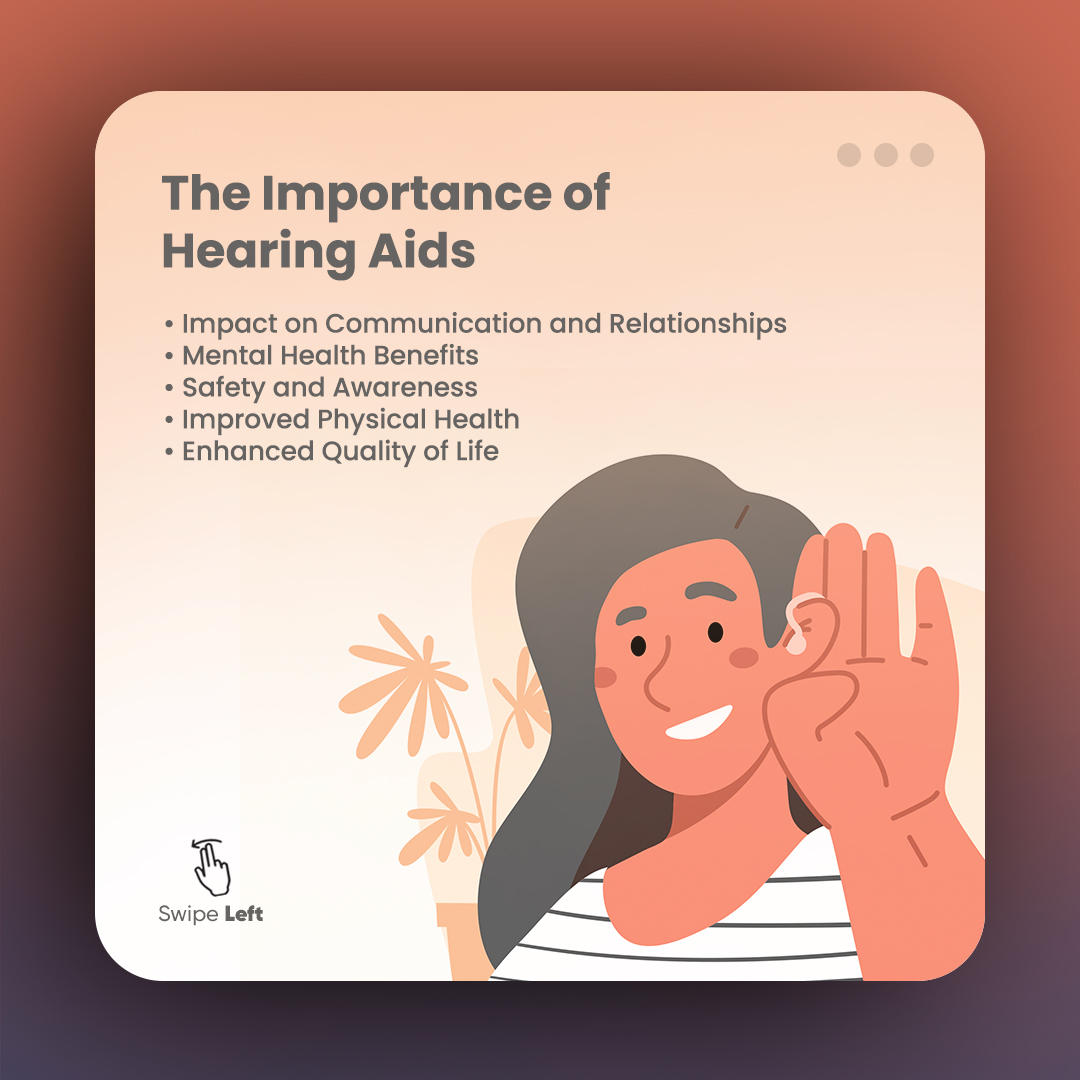
The Importance of Hearing Aids
Hearing aids, small electronic devices worn in or behind your ear, are vital tools that can significantly enhance the quality of life for individuals with hearing loss.
They amplify sounds, enabling an individual to listen, communicate, and participate more fully in daily activities.
Impact on Communication and Relationships
One of the primary benefits of hearing aids is their impact on communication. Hearing loss can create a barrier between individuals and their loved ones, leading to misunderstandings, frustration, and strained relationships.
By improving auditory perception, hearing aids allow users to engage more effectively in conversations, enhancing their relationships and social interactions.
Mental Health Benefits
Hearing aids can also have profound mental health benefits. Studies have shown that untreated hearing loss can lead to feelings of isolation, depression, and even cognitive decline.
By allowing users to engage more fully in their environment, hearing aids can help alleviate these symptoms, promoting a better sense of wellbeing and improved mental health.
Safety and Awareness
Hearing aids are crucial for safety. They allow users to be aware of their surroundings, such as hearing alarms, traffic, or someone calling out to them.
This increased awareness can prevent accidents and ensure that individuals can respond appropriately to emergency situations.
Improved Physical Health
There’s also a connection between hearing health and overall physical health. For example, studies have identified a link between hearing loss and cardiovascular disease.
While the use of hearing aids doesn’t directly treat physical health conditions, it supports overall wellness by encouraging social activity, increasing environmental awareness, and reducing the cognitive load that untreated hearing loss can cause.
Enhanced Quality of Life
Overall, hearing aids can significantly improve the quality of life for those with hearing loss.
They allow individuals to enjoy music, television, and nature sounds, engage in social activities, and communicate more effectively with friends and family. This can foster a greater sense of independence, confidence, and enjoyment in daily life.
While hearing aids may require an investment of time and resources to acquire and maintain, the benefits they offer are substantial.
They enable people to continue to engage with the world around them, supporting mental and physical health, safety, and overall quality of life.

What are my options to help pay for hearing aids?
Medicare Advantage Plans
Medicare Advantage Plans, also known as Part C, are health insurance options offered by private companies approved by Medicare.
Each Medicare Advantage Plan sets its own rules regarding what it covers, as long as the plan has a maximum out of pocket and covers at least what parts A and B cover.
Therefore, beneficiaries should scrutinize the plan details carefully before enrolling to ensure it meets their specific needs.
It may be helpful to speak with a licensed insurance sales agent for a free plan comparison with no obligation to enroll.
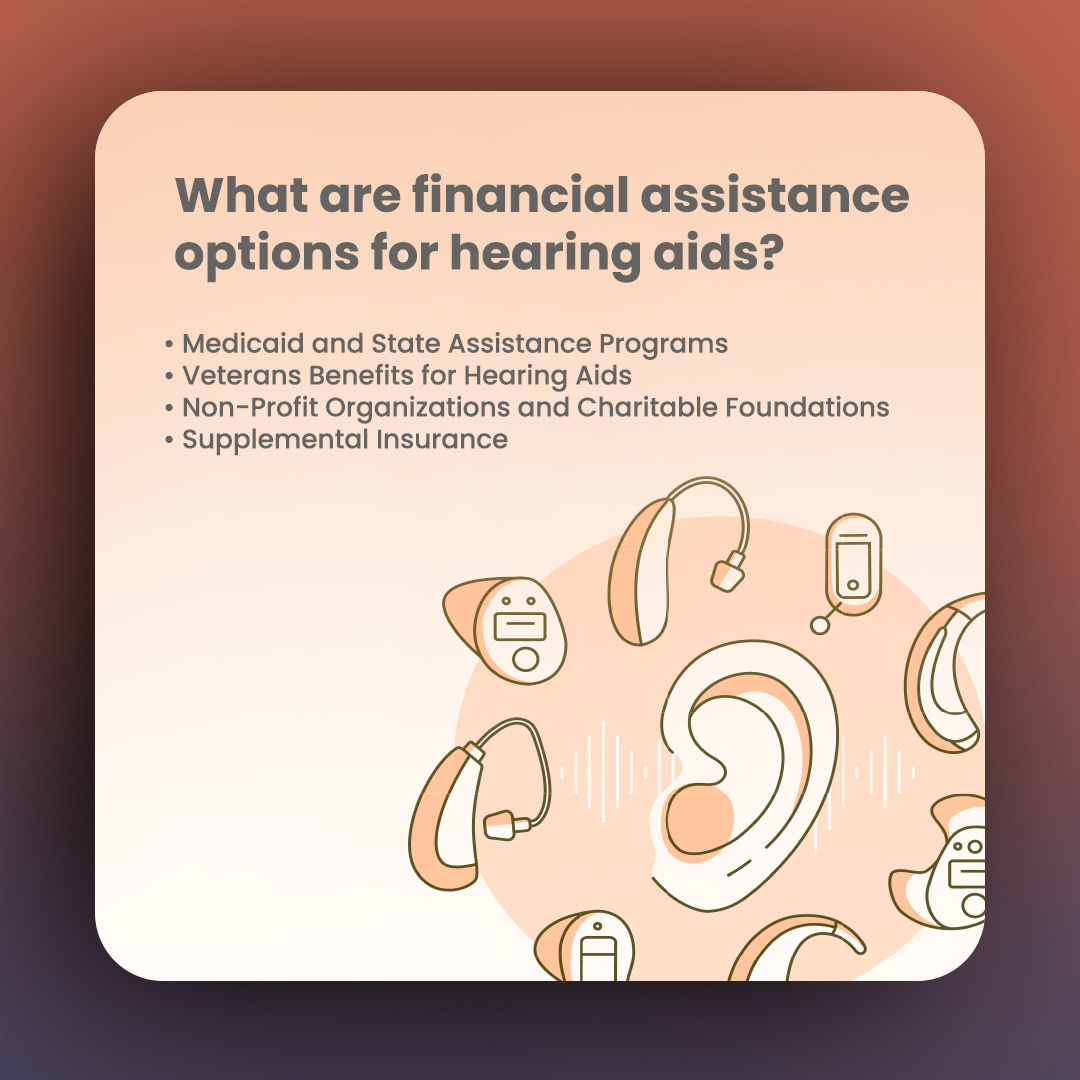
Medicaid and State Assistance Programs
Another potential source of assistance for low-income individuals is Medicaid.
While Medicaid programs vary by state, most offer some level of hearing aid coverage. Some states even have assistance programs specifically designed to help seniors with the cost of hearing aids.
These programs may cover the entire cost of the hearing aids or offer them at a reduced price.
In addition to Medicaid, some states have separate programs to assist with the cost of hearing aids.
These programs may be based on income, age, or other factors. It’s worth checking with your state’s health department or social services office to see what assistance may be available.
Veterans Benefits for Hearing Aids
Veterans form a significant portion of the population that can benefit immensely from hearing aids.
The realities of service often expose veterans to conditions that may lead to hearing loss or tinnitus.
As such, it’s essential to understand how veterans’ benefits can help cover the cost of hearing aids.
Eligibility for VA Hearing Aid Services
The U.S. Department of Veterans Affairs (VA) provides comprehensive hearing healthcare services, including audiology services, hearing aids, and rehabilitative therapies.
Not all veterans automatically qualify for these services. Generally, veterans are eligible if they meet one or more of the following conditions:
- Their hearing issues are linked to their service (service-connected).
- They were Prisoners of War (POWs).
- They have Purple Hearts.
- They receive benefits under Title 38 United States Code (U.S.C.) 1151.
- They have an increased pension because they are housebound or in need of regular aid and attendance.
- They have hearing impairment severe enough to significantly impact their ability to participate actively in their own medical treatment.
Applying for VA Hearing Aid Services
To access the hearing aid services, veterans must first register at the Health Administration/enrollment section of the VA Medical Center of their choice.
The VA recommends that veterans apply for health benefits online through the VA’s official website. Once enrolled, veterans can seek out benefits for hearing tests, examinations, and hearing aids.
Cost of VA Hearing Aids
The VA often provides hearing aids at no cost to veterans who qualify for their services. This includes the device itself, as well as necessary fittings, adjustments, repairs, and batteries.
However, the specifics can vary based on the individual veteran’s eligibility and needs.
Types of Hearing Aids Available Through the VA
The VA offers a wide range of hearing aids from top manufacturers. The type of hearing aid offered depends on the veteran’s specific hearing needs, lifestyle, and personal preferences.
In addition to traditional behind-the-ear (BTE) and in-the-ear (ITE) models, the VA also offers advanced options like extended wear hearing aids and cochlear implants.
Additional VA Services
Beyond providing hearing aids, the VA offers comprehensive audiology services, including diagnostic assessments, rehabilitative services, and counseling to help veterans manage their hearing loss or tinnitus effectively.
In short, the VA plays a crucial role in assisting veterans with hearing loss.
They provide a range of services, from diagnostic testing to the provision of state-of-the-art hearing aids, ensuring that veterans receive the support they need to improve their quality of life.
Non-Profit Organizations and Charitable Foundations
Several non-profit organizations and charitable foundations provide financial assistance or even free hearing aids to those in need.
These include the Starkey Hearing Foundation, the Hear Now program, and the Lions Club International.
These organizations aim to help individuals who cannot afford the cost of hearing aids on their own, making them a valuable resource to consider.
Supplemental Insurance
Supplemental insurance policies, also known as Medigap, can help cover costs not covered by traditional Medicare, like deductibles and copays.
However, it’s important to note that these policies typically do not cover hearing aids, despite their name suggesting they fill in the “gaps” in Medicare coverage.
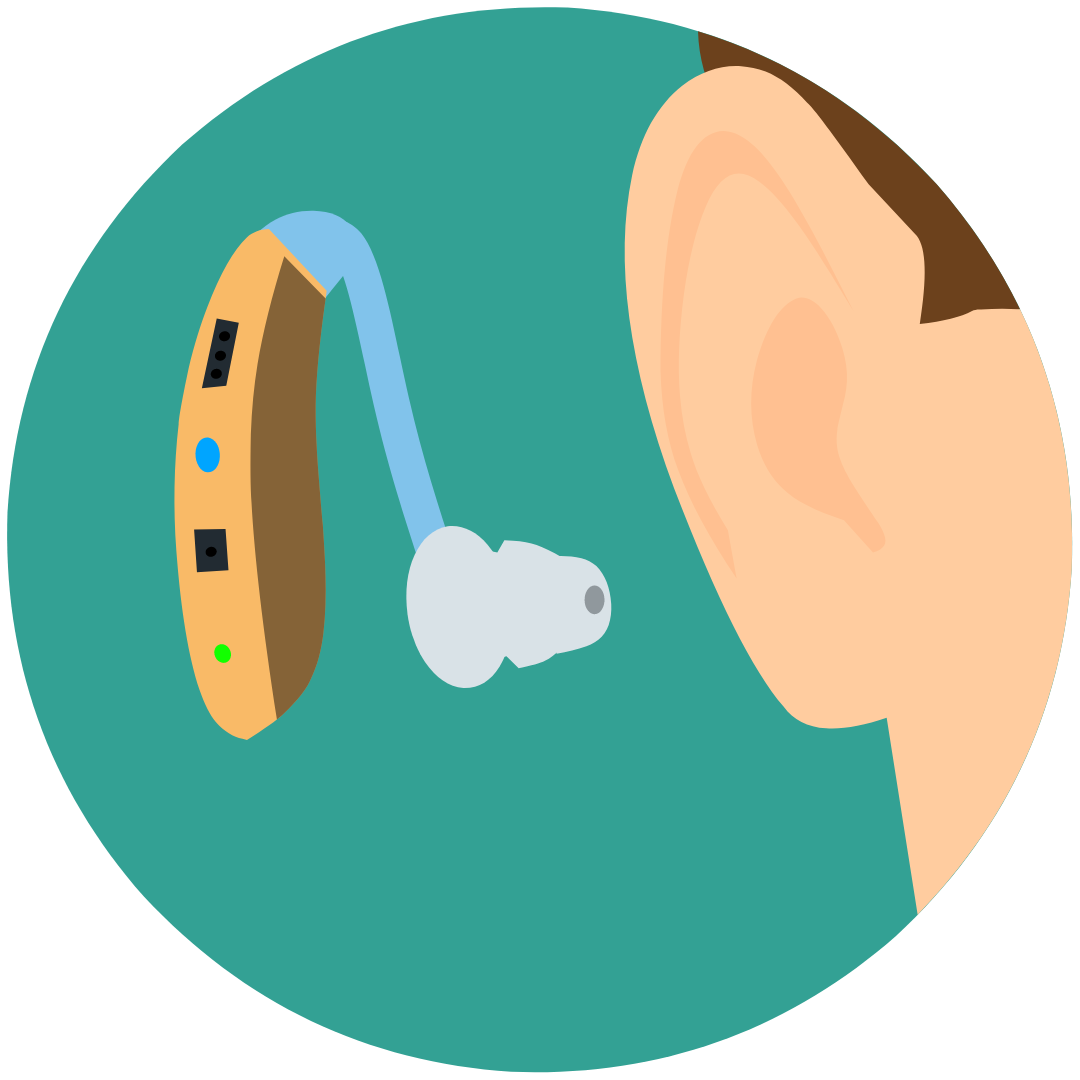
Hearing Aid Manufacturers and Financing Plans
The cost of hearing aids can be a significant barrier for many individuals, especially those on a fixed income.
To address this issue, several hearing aid manufacturers offer financing plans to help make their devices more affordable.
Understanding Financing Plans
Financing plans offered by hearing aid manufacturers essentially allow you to break down the cost of the device into smaller, manageable monthly payments.
These plans are usually facilitated through a third-party credit company that has partnered with the manufacturer.
The specific terms and conditions of the plans, such as the interest rate and repayment period, can vary significantly between manufacturers and credit companies.
Applying for Financing
To apply for a financing plan, you typically need to fill out an application form with personal and financial information.
The credit company will review your application and determine your eligibility based on factors like your credit score and income. Once approved, you can select a repayment plan that suits your budget.
Examples of Manufacturers Offering Financing Plans
Several hearing aid manufacturers offer financing options. Here are a few examples:
Phonak: Phonak partners with Allegro Credit to offer financing options to its customers.
They offer various plans, including interest-free options if paid within the promotional period.
Starkey: Starkey provides financing options through Wells Fargo Health Advantage credit card program and CareCredit.
These options allow customers to pay for their hearing aids over time.
ReSound: ReSound offers financing through Allegro Credit’s AllWell program.
They provide affordable monthly plans and online account management.
Oticon: Oticon offers financing options through the CareCredit card.
This allows customers to pay for their hearing aids in monthly installments.
Things to Consider
While financing plans can make hearing aids more affordable, it’s important to read the fine print and understand the terms and conditions before signing up.
Be aware of the interest rates, any potential penalties, and what happens if you miss a payment. Remember, it’s a loan that you’re committing to repay, so ensure it fits comfortably within your budget.
In short, if the upfront cost of hearing aids is a concern, consider exploring the financing options offered by the manufacturers.
By breaking down the cost into smaller, more manageable payments, these plans can help make hearing aids more accessible to those who need them.
While it can be frustrating and disheartening to discover that traditional Medicare does not cover hearing aids, there are still several options available to beneficiaries.
From Medicare Advantage Plans to state assistance programs, veterans benefits, and charitable organizations, it’s worth investing the time to explore all available avenues to find the best solution for your hearing health needs.
Remember, hearing is an integral component of overall health and quality of life. Don’t let the cost of hearing aids deter you from seeking the help you need.
With patience, persistence, and the right information, you can find a way to afford these vital devices.
Working with a licensed health insurance agent can be a great way to navigate the complex coverage options available.
A licensed agent can provide expertise and guidance to help you understand the various options. They can also explain the differences between plans and help you figure out which plan fits your needs and budget.
Ultimately, a licensed insurance sales agent can help you make an informed decision about the coverage that will best meet your hearing health needs.
Get the answers you need by calling Apollo Insurance Group for a free plan comparison with no obligation to enroll at (913) 279-0077. By calling this number you will reach a licensed insurance agent.
“Medicare & You Handbook.” Centers for Medicare & Medicaid Services.
“State Medicaid & CHIP Profiles.” Centers for Medicare & Medicaid Services.
“VA Prosthetic and Sensory Aids Service (PSAS).” U.S. Department of Veterans Affairs.
“Hearing Aid Financial Assistance.” American Speech-Language-Hearing Association.
“Medicare Supplement Insurance.” U.S. Department of Health and Human Services.
“Hearing Aid Insurance: Is it Worth it?” Hearing Tracker.
“What Does Medicare Cover?” Medicare Resources.
“Medicare Advantage Plans.” Medicare Interactive.
“Assistance for Hearing Aids.” Hearing Loss Association of America.
“Veterans Benefits for Seniors.” U.S. Department of Veterans Affairs.
“Non-Profit Organizations Providing Hearing Aid Financial Assistance.” Healthy Hearing.
“Supplemental Insurance: What is Medigap?” Medical News Today.
“Hearing Aid Insurance Policies.” ClearValue Hearing.
“Financing for Hearing Aids.” American Association of Retired Persons.
“Buying Used or Refurbished Hearing Aids.” WebMD.
“Reduced-Cost Clinics.” American Academy of Audiology.
“Hearing Aid Financing.” Phonak.
“Financing Options.” Starkey.
“Financing.” ReSound.
“Payment and Financing Options.” Oticon.
“How to Finance Your Hearing Aids.” Healthy Hearing.
“VA Health Care: Hearing Aids.” Military.com.
“How to get VA hearing aids.” Healthy Hearing.
“Hearing Aids – Rehabilitation and Prosthetic Services.” U.S. Department of Veterans Affairs.
“Which Veterans Qualify for VA Hearing Aids and How Do You Get Them?” MDHearingAid Blog.
“What Types of Hearing Aids Does Veterans Affairs Provide?” YouTube.
“The Impact of Treated Hearing Loss on Quality of Life.” Better Hearing Institute.
“Hearing Loss and Mental Health: The Impact and Connection.” Healthy Hearing.
“Hearing Loss and Falls: A Dangerous Combination.” American Speech-Language-Hearing Association.
“Hearing Loss and Heart Disease.” American Academy of Audiology.
“Hearing Aids Can Help Improve Brain Function in Persons with Hearing Loss.” American Geriatrics Society.
-CALLING THE NUMBER ABOVE WILL DIRECT YOU TO A LICENSED INSURANCE AGENT.
By completing the form above, I understand that a Licensed Insurance Agent from Apollo Insurance Group may contact me via phone, email or mail to discuss Medicare insurance options. Calls may be made by auto dialer, text, or robocall and are for marketing purposes. Cellular carrier charges may apply. Providing permission does not impact eligibility to enroll or the provision of services. You can change permission preferences at any time by contacting (816) 608-4333. We do not offer every plan available in your area. Any information we provide is limited to those plans we do offer in your area. Please contact Medicare.gov or 1-800-MEDICARE to get information on all of your options. Apollo Insurance Group is not affiliated with the federal Medicare program or the government. This is a solicitation for insurance.

I am a professional content writer specializing in the health insurance field. My work primarily focuses on simplifying the complexities of healthcare coverage, aiming to provide clarity and insight into an often confusing subject. Empowering people to make informed decisions about their well-being is my passion. At Apollo Health Insurance, we share that commitment. Apollo Health Insurance stands at the forefront of securing the best healthcare coverage for individuals, ensuring affordability without compromising on quality.

0 Comments