
 816-400-4477
Discover the Power of Medicare: Personalized Health Care at Your Doorstep!
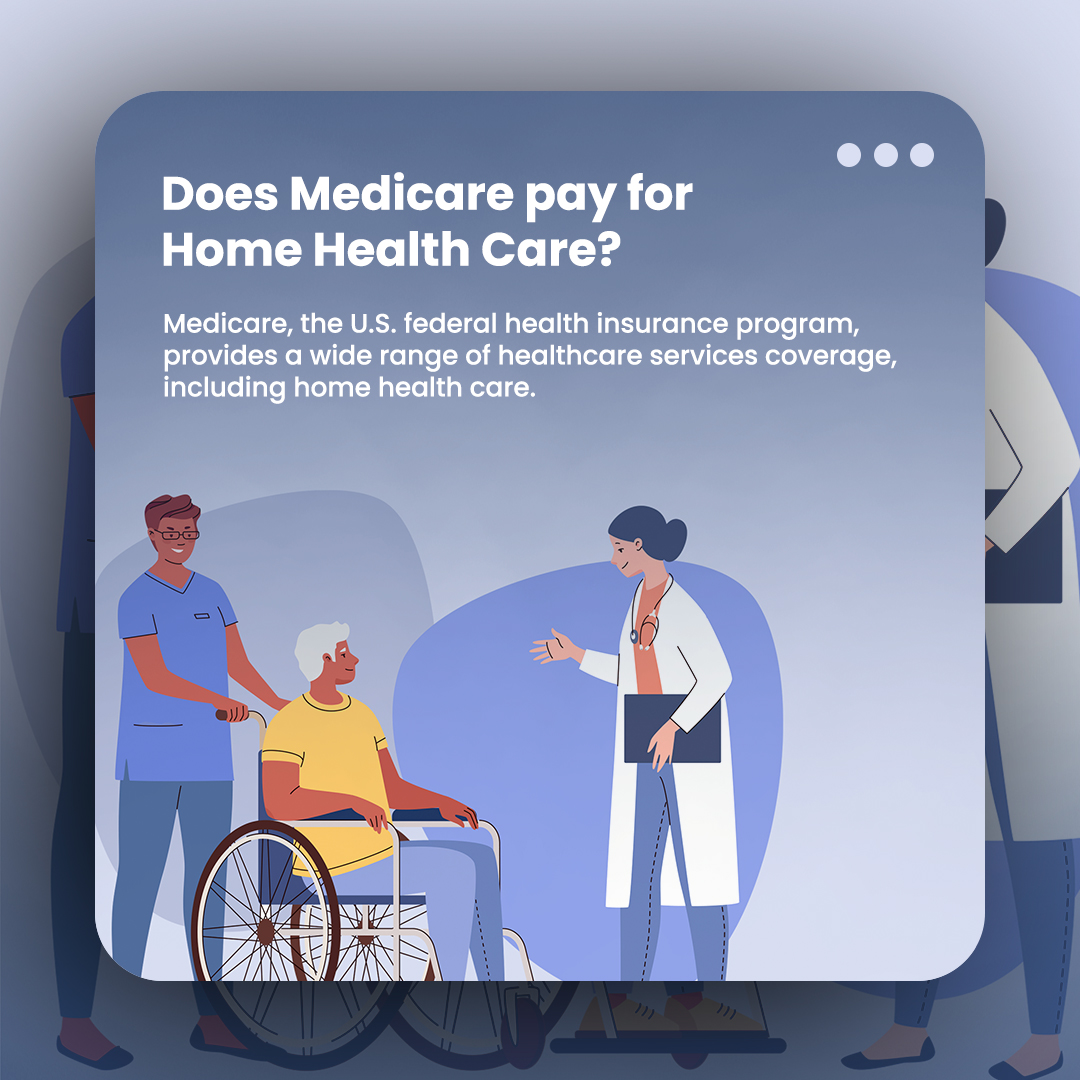
Medicare, the U.S. federal health insurance program, provides a wide range of healthcare services coverage, including home health care.
This service is designed to allow patients to receive personalized medical attention in the comfort of their homes.
But wait, there’s more!
While Medicare is your go-to for top-notch care, it’s crucial to understand its limitations. Don’t fret, we’ve got you covered with the specific conditions you need to know.
Need Expert Help From A Licensed Medicare Agent?

Home Health Care Services Covered by Medicare
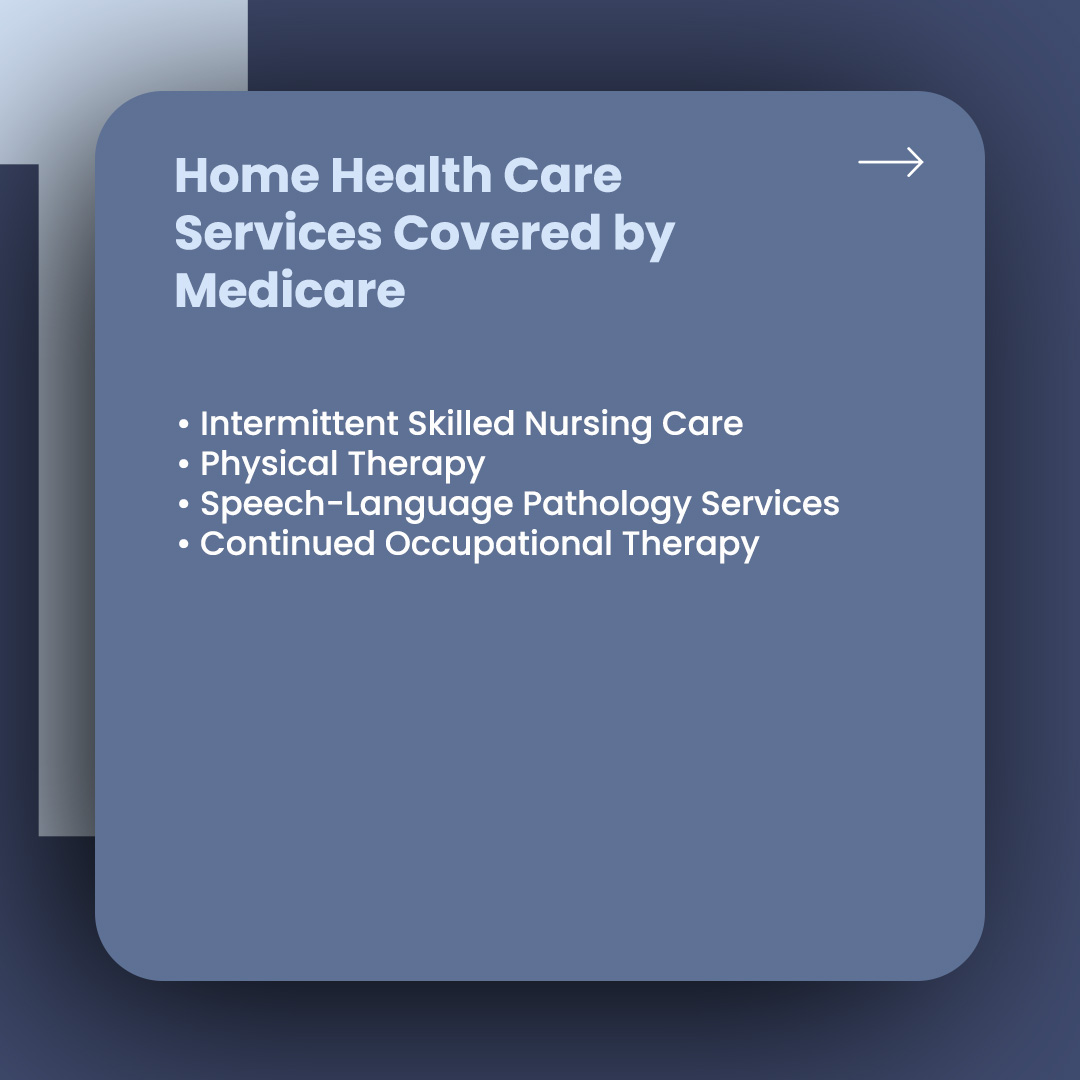
Medicare’s home health care coverage includes several key services:
Intermittent Skilled Nursing Care: This involves care provided by registered nurses or licensed practical nurses under the direction of a patient’s physician. It includes administering medications, providing wound care, monitoring vital signs, and educating patients about their medications. These nurses work closely with doctors and other healthcare professionals to provide a coordinated approach to patient care. Physical Therapy: Physical therapists work with patients to help them regain mobility and functionality after an injury or illness. This might involve exercises to regain movement and strength in a body part, training on how to use special equipment, or performing daily activities. Physical therapists also play a crucial role in pain management, helping patients manage discomfort and improve their quality of life. Speech-Language Pathology Services: These services are designed for individuals who have challenges with speech, language, cognition, voice, swallowing, and fluency, often due to conditions like stroke, brain injury, hearing loss, and Parkinson’s disease. Speech-language pathologists provide therapy exercises to help improve these skills. Continued Occupational Therapy: Occupational therapists help individuals perform everyday activities through therapeutic use of daily activities. They focus on enabling individuals with physical, sensory, or cognitive disability to be as independent as possible in all areas of their lives.
Home Health Care Services Not Covered by Medicare
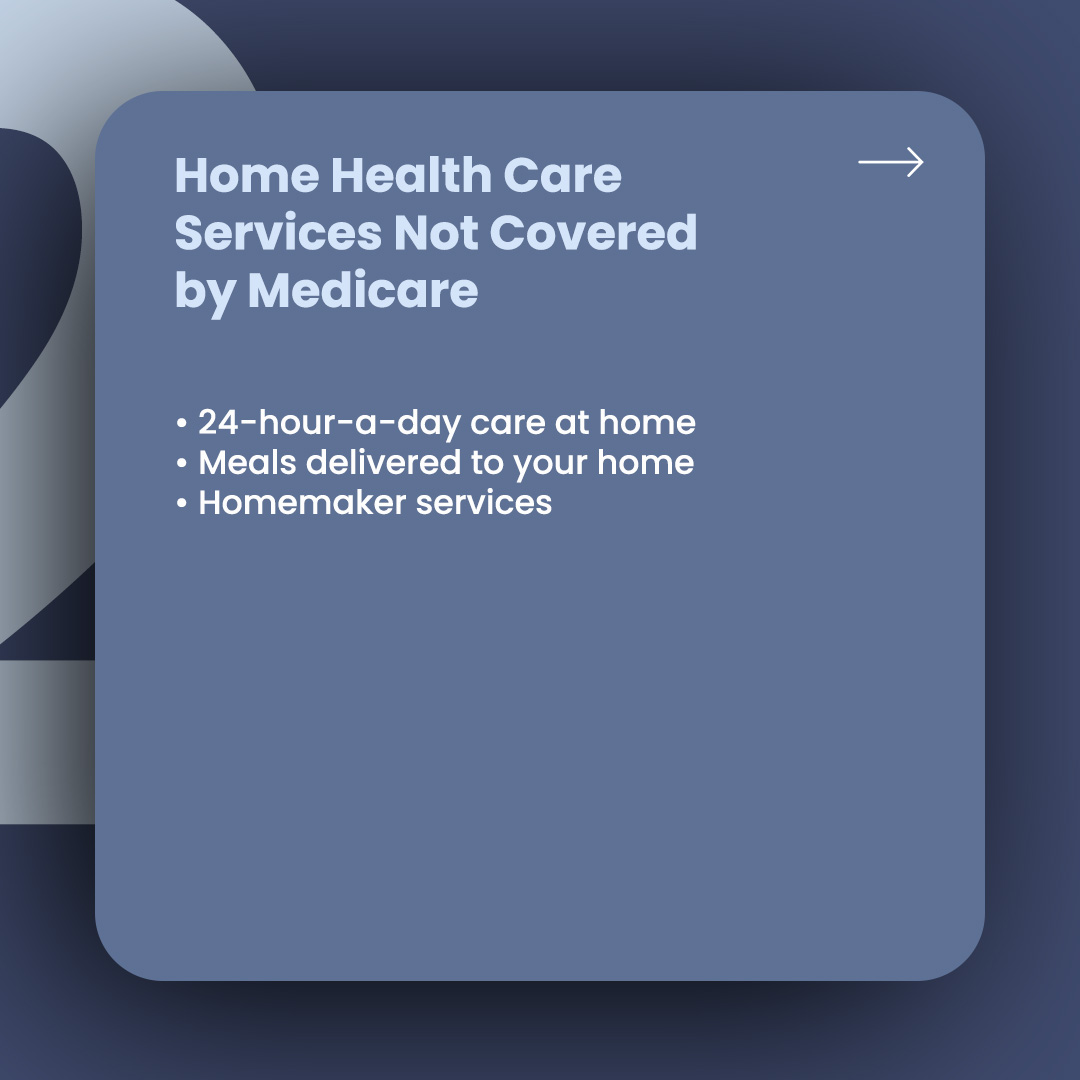
While Medicare covers many essential home health care services, there are certain services that it does not cover:
24-hour-a-day care at home: Medicare does not pay for round-the-clock care at home. It only covers part-time or “intermittent” care. Meals delivered to your home: While some home health care programs offer meal preparation, Medicare does not cover meal delivery service. Homemaker services: If cleaning, laundry, and other homemaking services are the only care you need, Medicare will not cover them.
Eligibility Criteria for Medicare’s Home Health Care Coverage
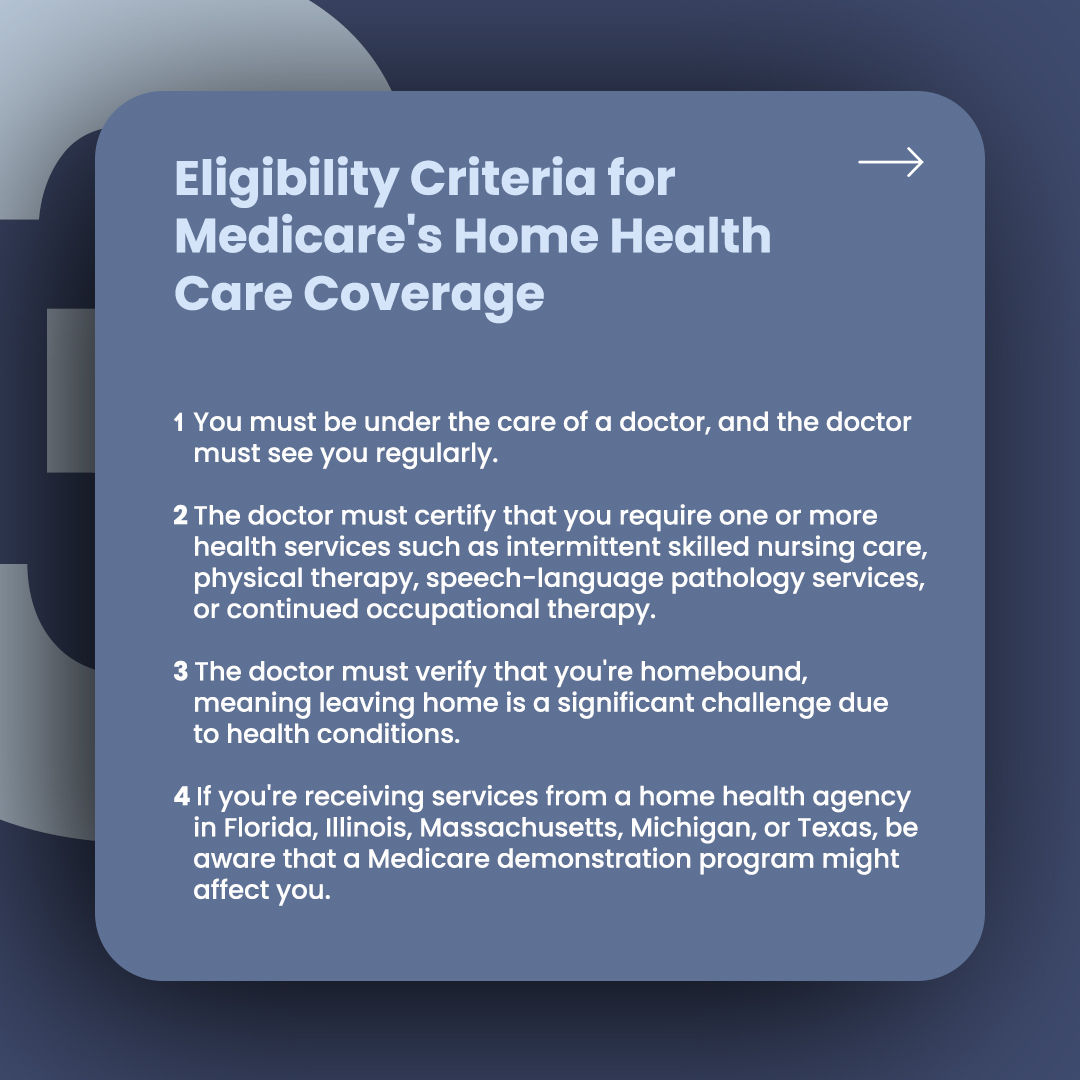
To qualify for home health care coverage under Medicare, you must meet several criteria:
1. You must be under the care of a doctor, and the doctor must see you regularly. The doctor must certify that you require one or more health services such as intermittent skilled nursing care, physical therapy, speech-language pathology services, or continued occupational therapy. 2. The doctor must verify that you’re homebound, meaning leaving home is a significant challenge due to health conditions. According to Medicare’s official website (www.medicare.gov), eligibility for the home health benefit under Medicare does not extend to those who require more than part-time or “intermittent” skilled nursing care. However, this doesn’t mean that you’re confined to your home at all times. You are allowed to leave your house for medical appointments or for brief and infrequent non-medical outings, such as going to religious services. Additionally, your eligibility for home health care is not affected if you participate in an adult day care program. 3. If you’re receiving services from a home health agency in Florida, Illinois, Massachusetts, Michigan, or Texas, be aware that a Medicare demonstration program might affect you. Under this program, either you or your home health agency can submit a pre-claim review request to Medicare for home health services coverage. This process allows both you and the home health agency to understand at an earlier stage whether Medicare will likely cover the services. Medicare will assess the information provided and approve the services if they are medically necessary and meet Medicare’s criteria. Please note, this pre-claim review doesn’t alter your Medicare home health services benefits and should not cause any delays in your access to home health services. For more details, please contact 1-800-MEDICARE.Medicare-Certified Home Health Agencies
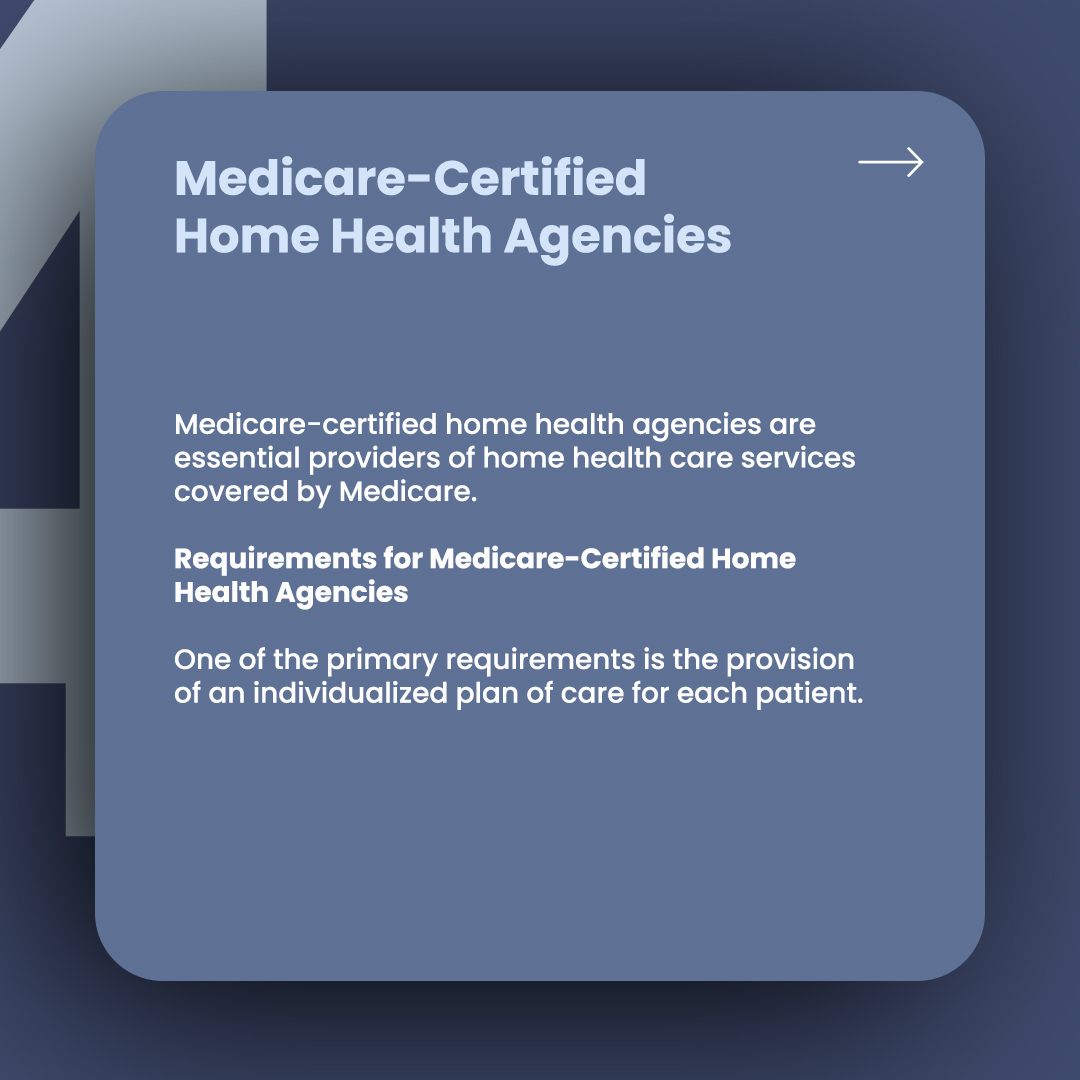
Medicare-certified home health agencies are essential providers of home health care services covered by Medicare. These agencies have met specific health and safety requirements set by Medicare, ensuring they provide high-quality care to their patients.Requirements for Medicare-Certified Home Health Agencies
To achieve certification, home health agencies must comply with the federal regulations defined in the Medicare Conditions of Participation for Home Health Agencies. This involves maintaining a high standard of care that promotes the health, safety, and well-being of patients. One of the primary requirements is the provision of an individualized plan of care for each patient. This plan should be regularly reviewed and revised by the physician or medical professional responsible for the home health plan of care. Furthermore, they must be licensed according to the regulations of the state where the patient resides, assuring a certain level of care quality.Advance Beneficiary Notice (ABN)
An important aspect of home health care is the Advance Beneficiary Notice (ABN). The ABN is a notice that a home health agency or other provider should give you before you receive a service or item that Medicare probably (or certainly) won’t cover. The ABN allows you to decide whether to get the care in question and accept financial responsibility for the charges if Medicare doesn’t pay for it. The ABN gives you the opportunity to consider the cost of the service and explore other financial alternatives. It can also help you make an informed decision about your health care. Medicare-certified home health agencies play a crucial role in providing home health care services. They adhere to strict requirements to ensure high-quality care. Understanding the role of these agencies and the requirements, such as the ABN, can help you navigate your health care options and make informed decisions.
Finding a Quality Medicare-Certified Home Health Agency
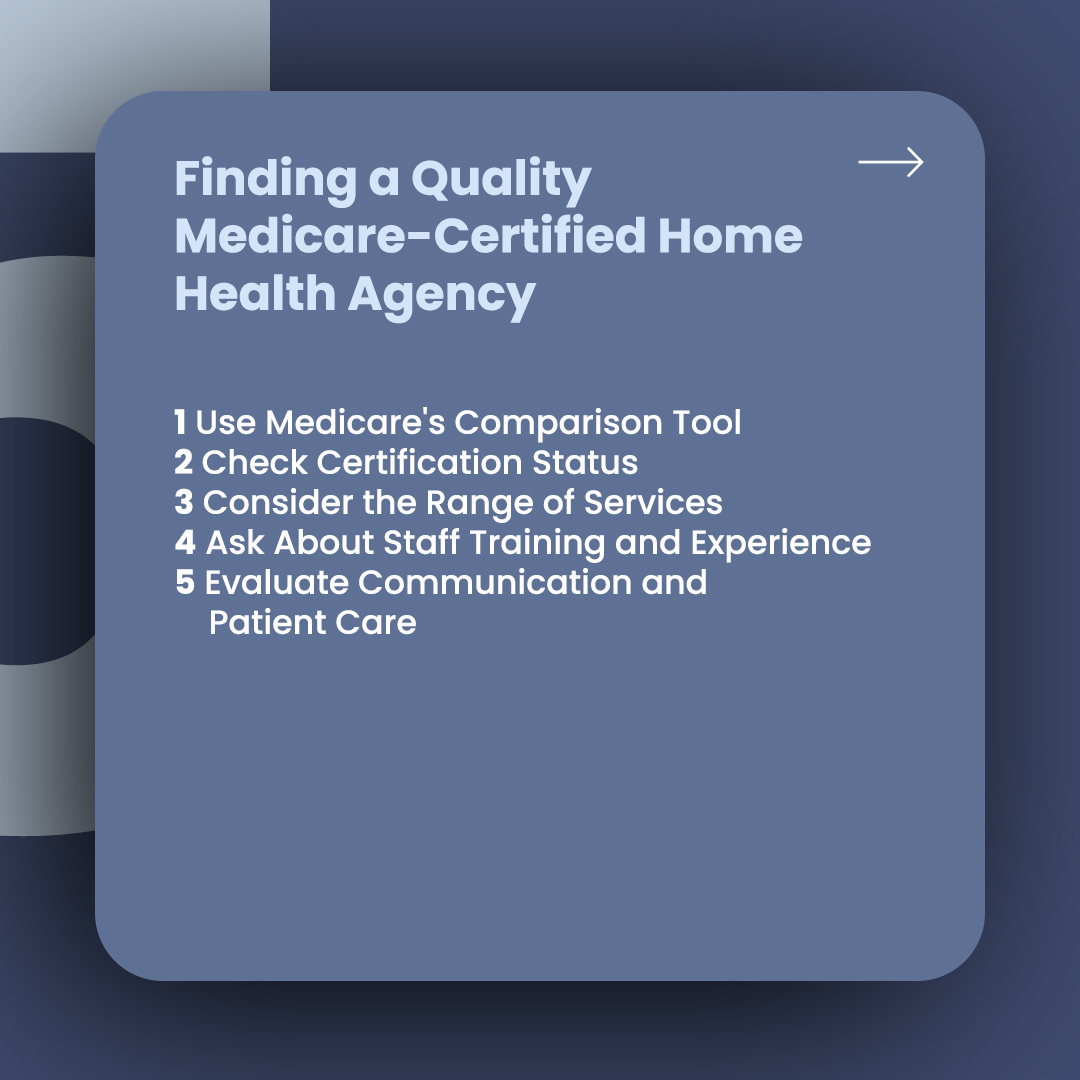
Choosing a quality home health agency that is certified by Medicare can ensure you receive appropriate and qualified care. Here are some steps to help you find a reputable agency:1. Use Medicare’s Comparison Tool
Medicare provides a helpful online tool called Home Health Compare. This tool allows you to compare home health agencies based on their quality of patient care, patient survey results, and other data. You can search for agencies in your area and see how they rate against national averages.2. Check Certification Status
Ensure the home health agency is Medicare-certified. This means they have met specific federal health and safety requirements. You can check an agency’s certification status using the Medicare Home Health Compare tool.3. Consider the Range of Services
Different agencies may offer different types of services. Make sure the agency you’re considering provides the specific services you need, such as nursing care, physical therapy, speech-language pathology, or medical social services.4. Ask About Staff Training and Experience
Inquire about the qualifications and experience of the agency’s staff. They should have the necessary training and credentials to provide the care you need. Also, ask if the agency conducts background checks on its employees.5. Evaluate Communication and Patient Care
Ask the agency how they communicate with patients and handle any problems or complaints. A good agency will have clear procedures in place for addressing issues and ensuring patient satisfaction. Remember, choosing a home health agency is an important decision. Take your time to research and consider your options carefully.
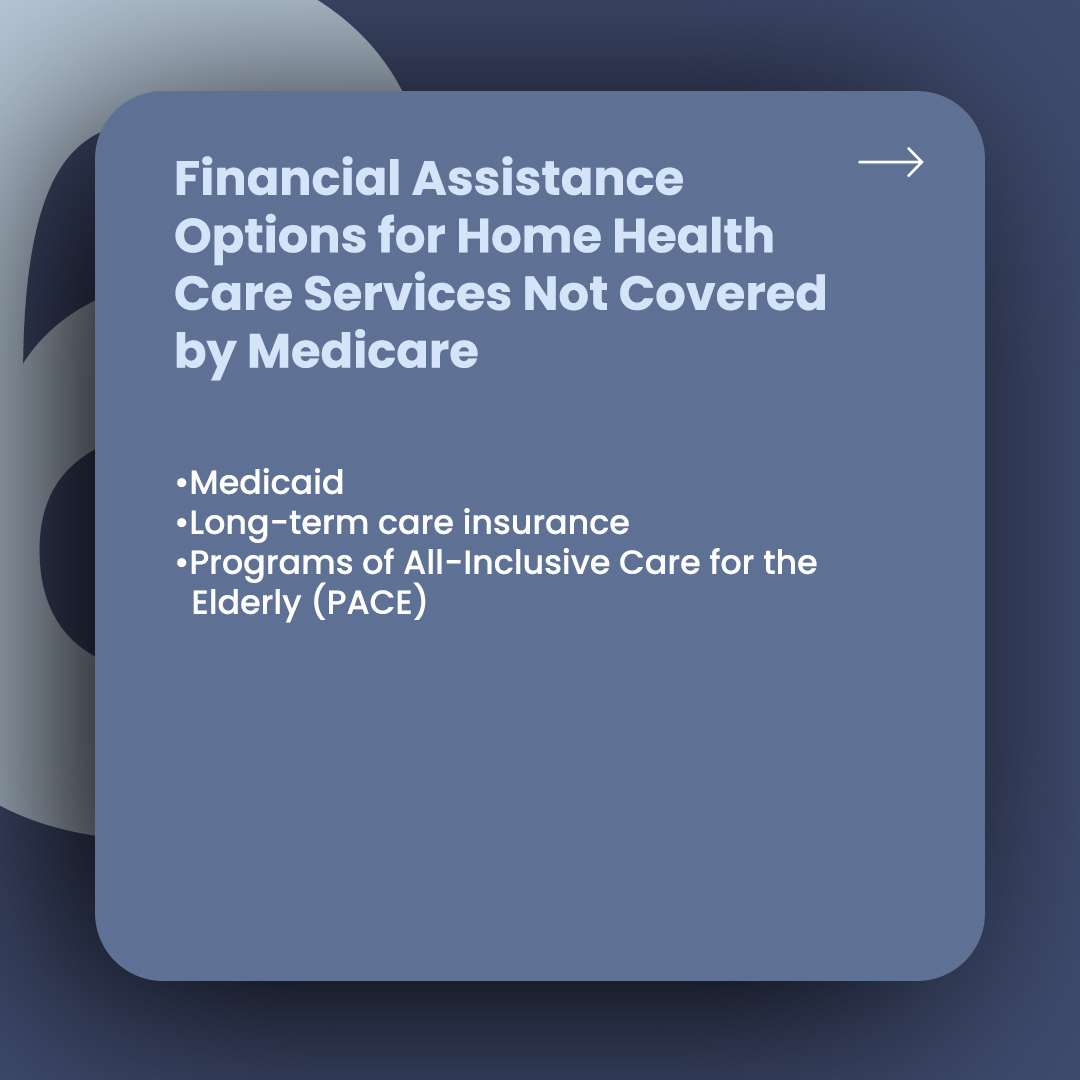
Financial Assistance Options for Home Health Care Services Not Covered by Medicare
While Medicare covers many home health care services, it doesn’t cover everything. If you require services that aren’t covered or if you exceed your coverage limits, you may have to pay some or all of the costs yourself.Here are a few ways you can get financial assistance for home health care services not covered by Medicare:
Medicaid: Medicaid provides health coverage for some low-income people, families and children, pregnant women, the elderly, and people with disabilities. Long-term care insurance: This insurance can help cover the cost of long-term care beyond a predetermined period. Programs of All-Inclusive Care for the Elderly (PACE): These are unique programs that provide comprehensive medical and social services to certain frail, community-dwelling elderly individuals. PACE serves individuals who are age 55 or older, certified by their state to need nursing home care, but are capable of living safely in the community at the time of enrollment. The goal of PACE is to help people stay independent and living in their own homes while receiving a higher quality of care. PACE uses an interdisciplinary team approach to provide patients with coordinated care. Teams typically include doctors, nurses, social workers, therapists, dietitians, and personal care aides. Under the PACE program, Medicare and Medicaid eligible enrollees can receive a range of care, including hospital care, medical specialty services, prescription drugs, nursing home care, emergency services, home care, physical therapy, occupational therapy, adult day care, recreational therapy, meals, and dentistry. The PACE program becomes the sole source of services for Medicare and Medicaid eligible enrollees.To be eligible for the Programs of All-Inclusive Care for the Elderly (PACE), individuals must meet specific criteria:
Age: The applicant must be 55 years old or older. Residency: The individual must live in the service area of a PACE organization. Certification: The applicant needs to be certified by their state as being eligible for nursing home care. This typically means the individual requires assistance with activities of daily living, such as eating, bathing, and dressing. Health Status: Despite needing a nursing home-level of care, the individual must be able to live safely in the community at the time of enrollment. Before enrolling, it’s recommended to contact a PACE organization in your area to understand the application process and specific eligibility requirements. In summary, PACE is a beneficial program for elderly individuals who require comprehensive medical and social services but wish to remain in their own homes. It provides a wide array of coordinated services, from medical care to recreational therapy, aiming to improve the quality of life of its participants.
Sources:
“Home Health Services Coverage.” Medicare.gov. https://www.medicare.gov/coverage/home-health-services “Are You Homebound?” Centers for Medicare & Medicaid Services. https://www.cms.gov/Outreach-and-Education/Medicare-Learning-Network-MLN/MLNProducts/Downloads/Homebound-Infographic.pdf “What’s Medicare Supplement Insurance (Medigap)?” Medicare.gov. https://www.medicare.gov/supplements-other-insurance/whats-medicare-supplement-insurance-medigap “Medicaid.” U.S. Department of Health & Human Services. https://www.hhs.gov/programs/social-services/medicaid/index.html “Programs of All-Inclusive Care for the Elderly (PACE).” Medicare.gov. https://www.medicare.gov/your-medicare-costs/get-help-paying-costs/pace “Home Health Agencies.” Centers for Medicare & Medicaid Services. https://www.cms.gov/Medicare/Provider-Enrollment-and-Certification/CertificationandComplianc/HHAs “42 CFR Part 484 — Home Health Services.” Electronic Code of Federal Regulations. https://www.ecfr.gov/current/title-42/chapter-IV/subchapter-G/part-484 “Advance Beneficiary Notice of Noncoverage (ABN).” Medicare Interactive. https://www.medicareinteractive.org/get-answers/medicare-covered-services/item-and-services-not-covered-by-part-a-and-b/advance-beneficiary-notice-of-noncoverage-abn “Is PACE for You?” National PACE Association. https://www.npaonline.org/pace-you “Program of All-Inclusive Care for the Elderly (PACE).” Centers for Medicare & Medicaid Services. https://www.cms.gov/medicare-medicaid-coordination/medicare-and-medicaid-coordination/medicare-medicaid-coordination-office/pace/pace “Program of All-Inclusive Care for the Elderly.” Medicaid. https://www.medicaid.gov/medicaid/long-term-services-supports/program-all-inclusive-care-elderly/index.html “Program of All-Inclusive Care for the Elderly (PACE).” Department of Veterans Affairs. https://www.va.gov/geriatrics/pages/Program_of_All_Inclusive_Care_for_the_Elderly_PACE.asp “Home Health Compare.” Medicare.gov. https://www.medicare.gov/care-compare/ “What’s home health care?” Medicare.gov. https://www.medicare.gov/what-medicare-covers/whats-home-health-care “Choosing a Home Health Agency.” Centers for Disease Control and Prevention. https://www.cdc.gov/aging/caregiving/factsheets/choosing-home-health-agency.html
I am a professional content writer specializing in the health insurance field. My work primarily focuses on simplifying the complexities of healthcare coverage, aiming to provide clarity and insight into an often confusing subject. Empowering people to make informed decisions about their well-being is my passion. At Apollo Health Insurance, we share that commitment. Apollo Health Insurance stands at the forefront of securing the best healthcare coverage for individuals, ensuring affordability without compromising on quality.

0 Comments